Showing posts with label Essex. Show all posts

Friday, 18 December 2015

On The Naze


The Naze, a headland on the east coast of England, lying just north of the Essex town Walton-on-the-Naze and jutting out into the North Sea.  "The Naze, as well as being a natural open space, is a Site of Special Scientific Interest (SSSI) famed for its fossils..." Walking on the shore, we found a left-handed whelk shell, Neptunia contraria,  a fossil from 3.6 to 2.6 million years ago.

Saturday, 23 May 2015

Langdon Hills: Feeling Blue

"Feeling Blue" by Heenan Photography
"Feeling Blue": Common Blue Butterfly, Langdon Hills, Essex
A rather ragged-looking blue butterfly rests a moment in one of the wildflower meadows of Langdon Hills Country Park, near Basildon in Essex.

The larvae of this butterfly feed on Bird's-foot Trefoil (Lotus corniculatus). Adults will also feed on Bird's-foot Trefoil, and a variety of other plants besides (read more at www.ukbutterflies.co.uk).

Many of the butterflies in the Lycaenidae family have interesting relationships with ants. The chrysalis of the Common Blue attracts ants that protect it from predators. Larvae can also produce nutrients to feed ants (read more on Wikipedia).

Saturday, 18 April 2015

Bluebells Arising


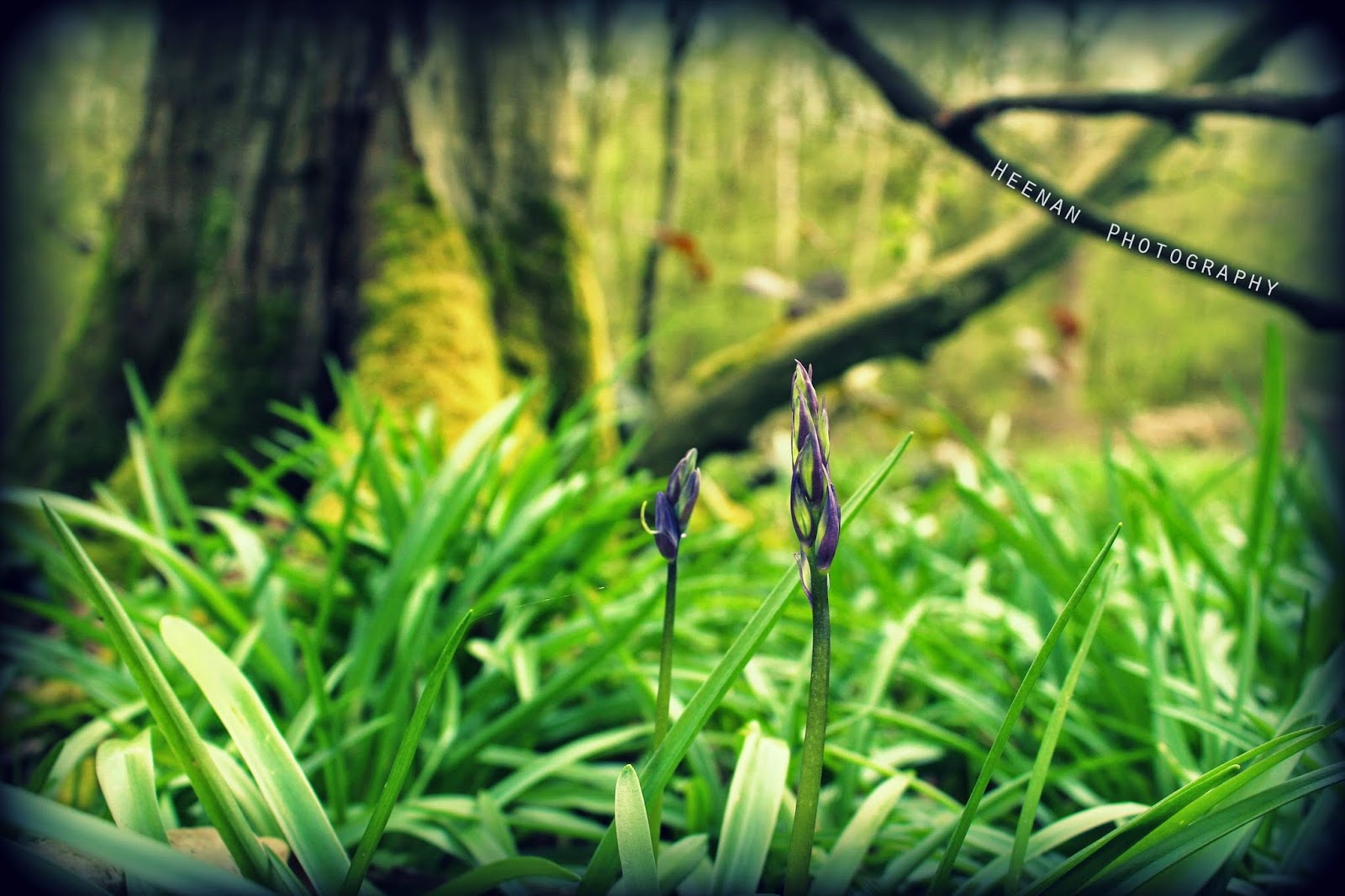
Spring is most definitely underway here in the UK, and the signs are all around us. In the Langdon Hills this means some superb swathes of bluebells are soon to carpet the ancient woodlands with blue, and sweetly scent the air. Some woods on the ridge put on their display of bluebells earlier than others due to aspect and other factors, but suffice to say that it will be well worth visiting the various woods over the next few weeks.

Here you can see the first bluebells emerging in Martinhole Wood in Langdon Hills Country Park, and the dense mat of bluebell plants on the ground here presage the plenitude of flowers yet to emerge. The presence of these flowers here, plus others such as lesser celandine and wood anemone, indicate the age of the woodland. Bluebells are protected by law, so please remember not to pick them... Take a photograph, it will last much longer anyway!

Saturday, 28 March 2015

Essex Forest Fragments: Hatfield Coppice

Hazel Coppice in Hatfield Forest
This photo was taken in Hatfield Forest in Essex, a medieval royal hunting ground now owned and managed by the National Trust. This is a fragment of the Forest of Essex, that once covered most of the county. The site is over a thousand acres in size, and is managed using traditional techniques such as coppicing, pollarding, and grazing with livestock.

Coppicing, a technique used for thousands of years to produce useful wood products, has resulted in the interesting growth forms of the trees. Many native trees will regrow with multiple stems after being cut down, producing these distinctive, dense thickets in the photo above. Spring also brings a splash of chartreuse green to the picture, with fresh foliage on both hazel thickets and the ground layer.

Coppicing is often used in modern times as a tool for maintaining the biodiversity of woodlands. It can add variety to the structure of a woodland, and allows light to reach the woodland floor.


Friday, 13 February 2015

Vange Well #5


View of the sky from Well #5
Up in the hills of Langdon Hill Country Park in Essex, tucked away in the woodlands, lies a ruin. A relic, a building which housed Well Number 5 of the Vange Water Company. The metalwork of the domed roof creates an interesting frame for the sky, and for the encroaching woodland which is reclaiming the site.

Read more about the building and "Farmer Cash's Famous Medicinal Vange Water" at the Basildon History website.

Saturday, 2 August 2014

Marbled White at Langdon Hills


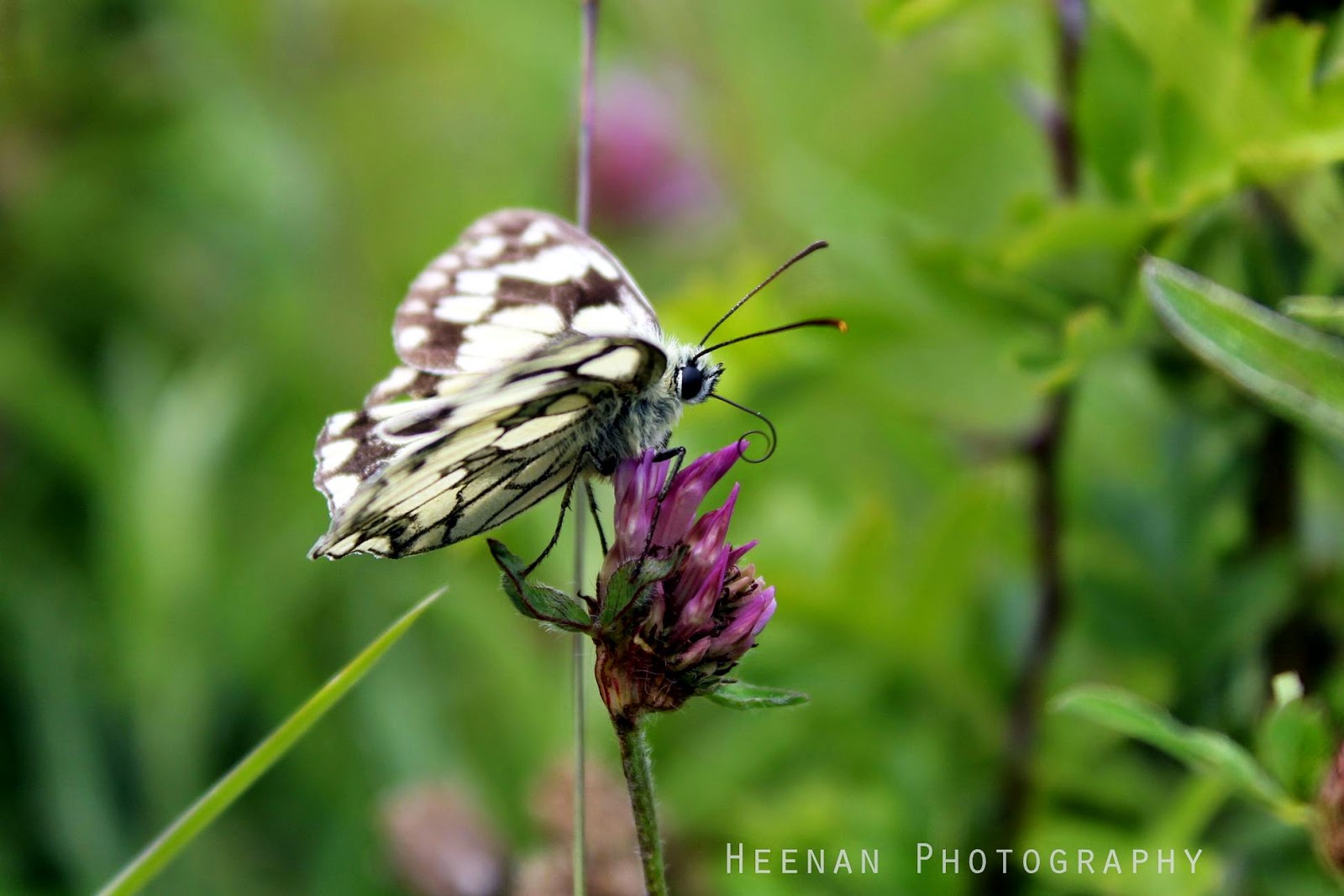
This shot captures a Marbled White butterfly, feeding on red clover at Langdon Hills Country Park, in Thurrock (Essex). The site has a number of meadows, supporting a myriad of insects and other wildlife - including 33 species of butterfly. Many of these are on the wing now that the British summer is most definitely here. Below we have some more information about the Marbled White butterfly, from Naturalist Natasha Lodge.
- Tom Heenan, Photographer

The Marbled White (Melanargia galathea) is actually more closely related to the 'Brown' butterflies than the 'White' butterflies due to its life cycle and habits. It has distinct black and white markings that make it easy to recognise. Small, red, parasitic mites are often seen on the bodies of Marbled Whites, but these do not pose a threat to the butterfly in small numbers and do not detract from their attractive colouring. It is a common species and is found throughout most of South and central England and in parts of South Wales. It is currently absent from Scotland, however the species is expanding northwards.
- Natasha Lodge, Naturalist

Saturday, 19 April 2014

Historical Epping Forest: A Photographic Exploration

The Epping Forest area is full of historic buildings as well as ancient trees. Churches, chapels, hunting lodges and haunted pubs, the area is full of interesting buildings with fascinating histories (and photogenic foibles). Here are a handful of images to show you just some of the historical interest to be found here in South-West Essex, on the edge of London.


The Queen Elizabeth Hunting Lodge has to feature in any mention of the history of Epping Forest. From Elizabeth I to William Morris (whose first recorded interest in textiles was during a visit to the hunting lodge - read more about him here), this building has touched upon the lives of many important figures. The lodge was actually built for Henry VIII, back in 1543. The two photos above show the hunting lodge during a medieval re-enactment event, a chance to see history come to life at the hunting lodge. The hunting lodge and the newly-built visitor centre next door are excellent places to learn more about the forest (and "The View" visitor centre does indeed have fantastic views out over Chingford Plain), and there are a number of marked trails leading out from here to help you explore the woodland. Find out more about the lodge and upcoming events at the City of London website.
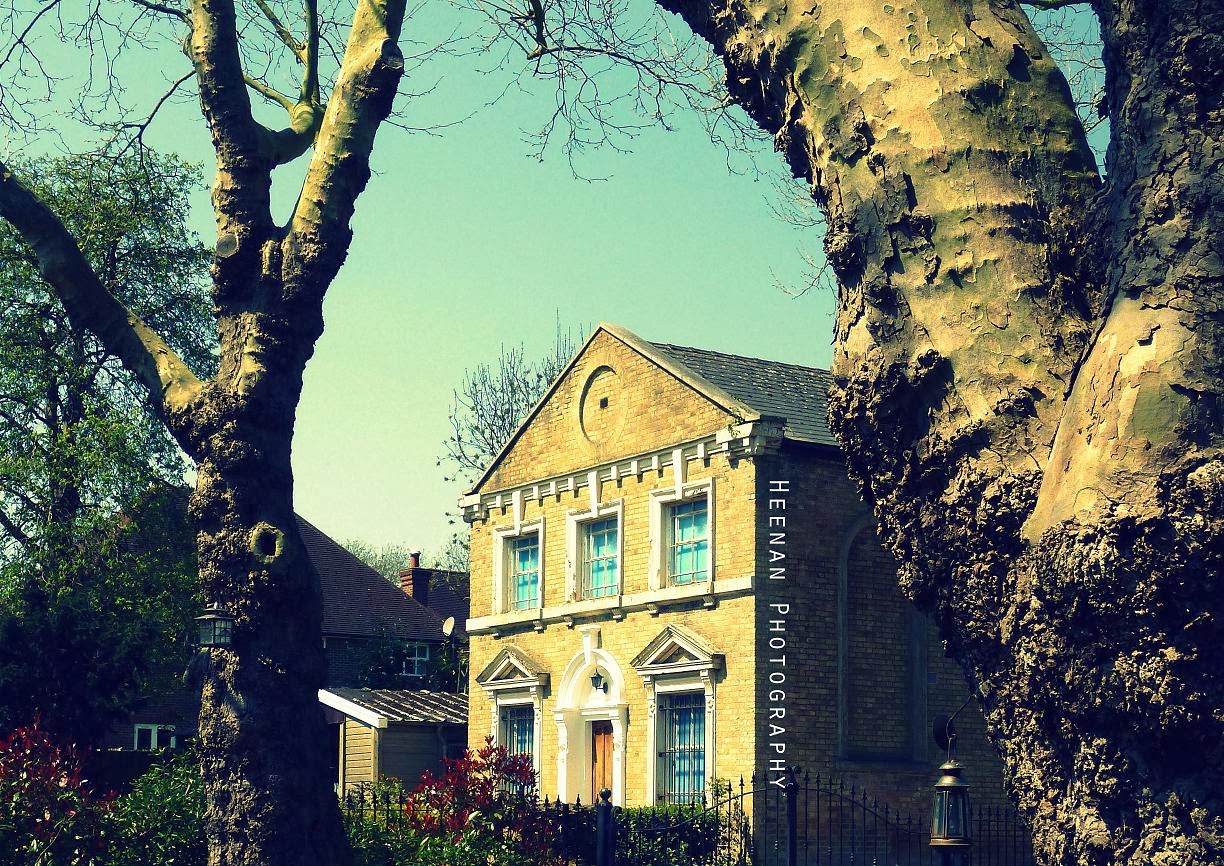
"The Chapel" in Chigwell Row
The Chigwell Row chapel above, dominated by very grand Plane trees, was opened in 1804 (although the frontage is probably more recent according to British History Online) and it is now a United Free Church. The building, though squat and rectangular, looks stunning when its golden bricks soak up the sunlight. Chigwell Row was an outlying hamlet on the very edge of Hainault Forest, and although development has since joined it up with neighbouring settlements it still retains some pretty village features (and some of nearby Hainault Forest still remains to enjoy).
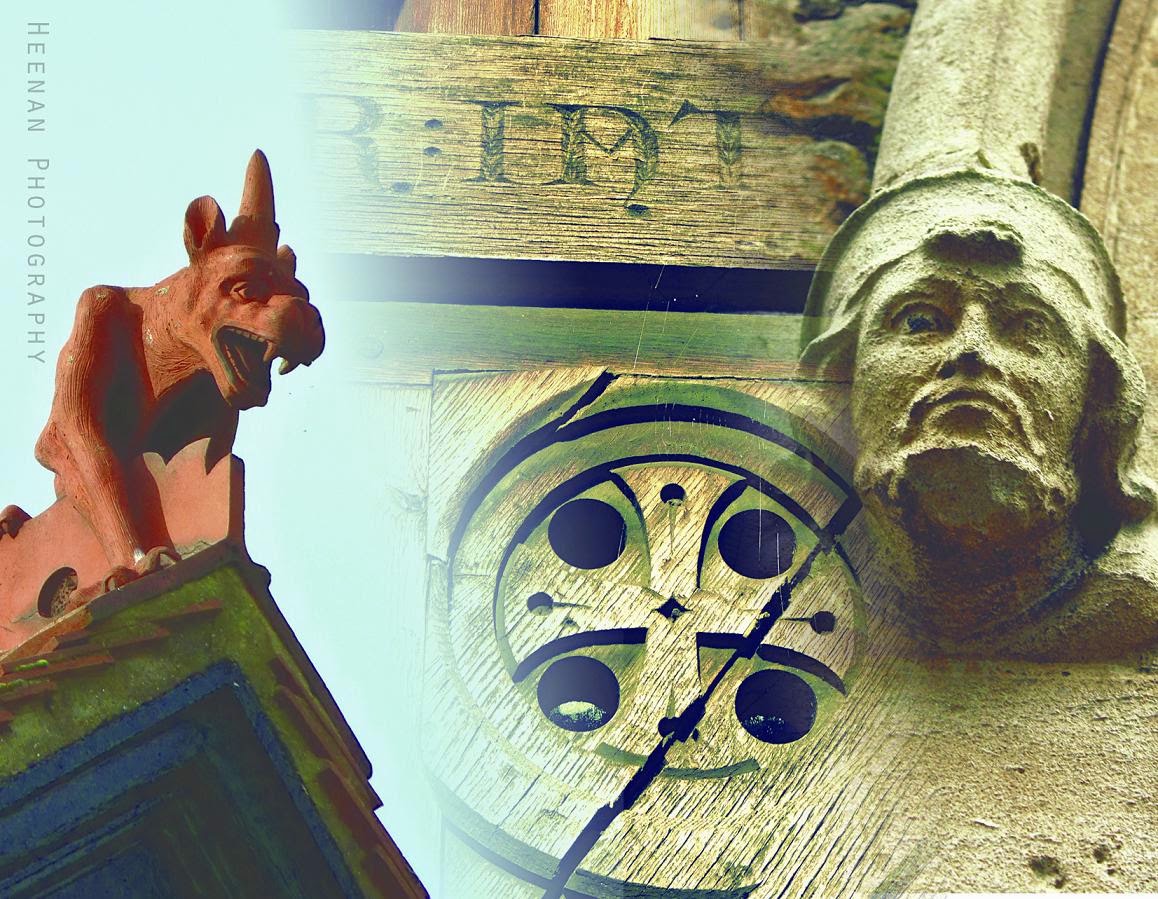
Some of the fascinating features that can be found on buildings in the area
And in this final image, a montage of building features. On the left is one of the gargoyles which grace the roof of the Queen Elizabeth Pub in Chingford. Just around the corner from the hunting lodge, this pub is reputedly haunted (did the ghost inspire the gargoyles, or vice versa?). In the middle of the montage is a Norman Cross, part of the original Norman doorway of St. Mary's Church in Chigwell Village (built in 1160). Finally, the head to the right of the montage is part of the decorative stonework around the arched doorways at the All Saints Church in Chigwell Row (next to Hainault Forest). Besides being a very fine piece of masonry, the face seems to have a quiet dignity which is very suited to a man of stone.
Tuesday, 1 April 2014

The Chignal Jester

The Chignal Jester stands proudly on its head.
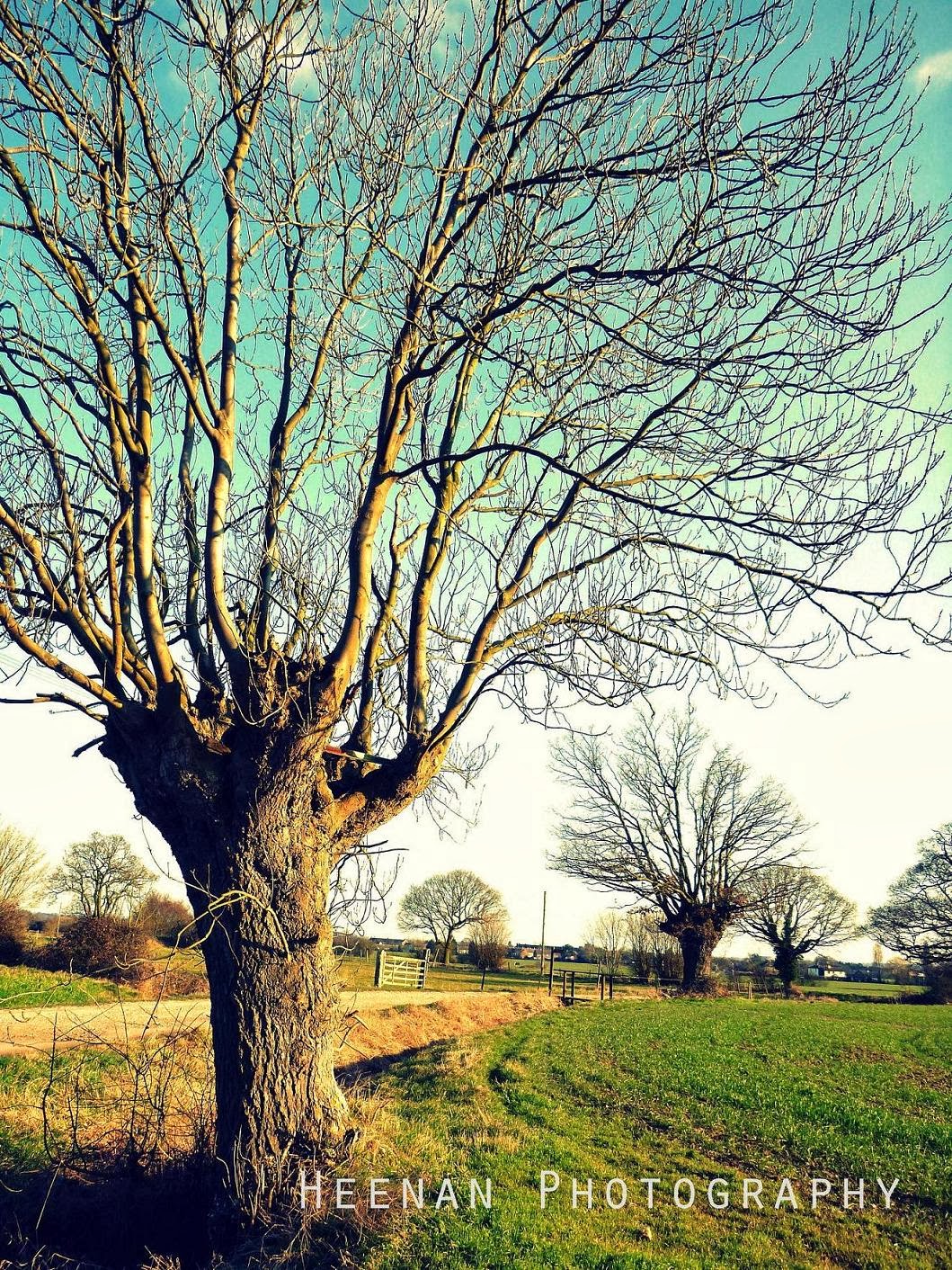
Has someone turned this tree upside-down as some kind of April fool? The ash tree in this photo, taken in rural Essex, certainly looks topsy-turvy. The short stout trunk ends in a blunt and lumpy way (as a result of pollarding) and the winter-bare, spreading branches above it strongly resemble roots. A number of gnarled, veteran ash trees can be found throughout the farmland around Chelmsford, but this one near the Chignals was particularly photogenic. Its trunk catches the winter sunshine, and its branches seem to embrace the blue sky. It presides over both the country lane and fields beside it, but the other trees distant in the background place it in context: this tree is one of many dotted through the agricultural landscape, and these provide added interest and a huge benefit for wildlife (providing food for butterflies and moths, for example).

Saturday, 22 February 2014

Rainbow Over Roding


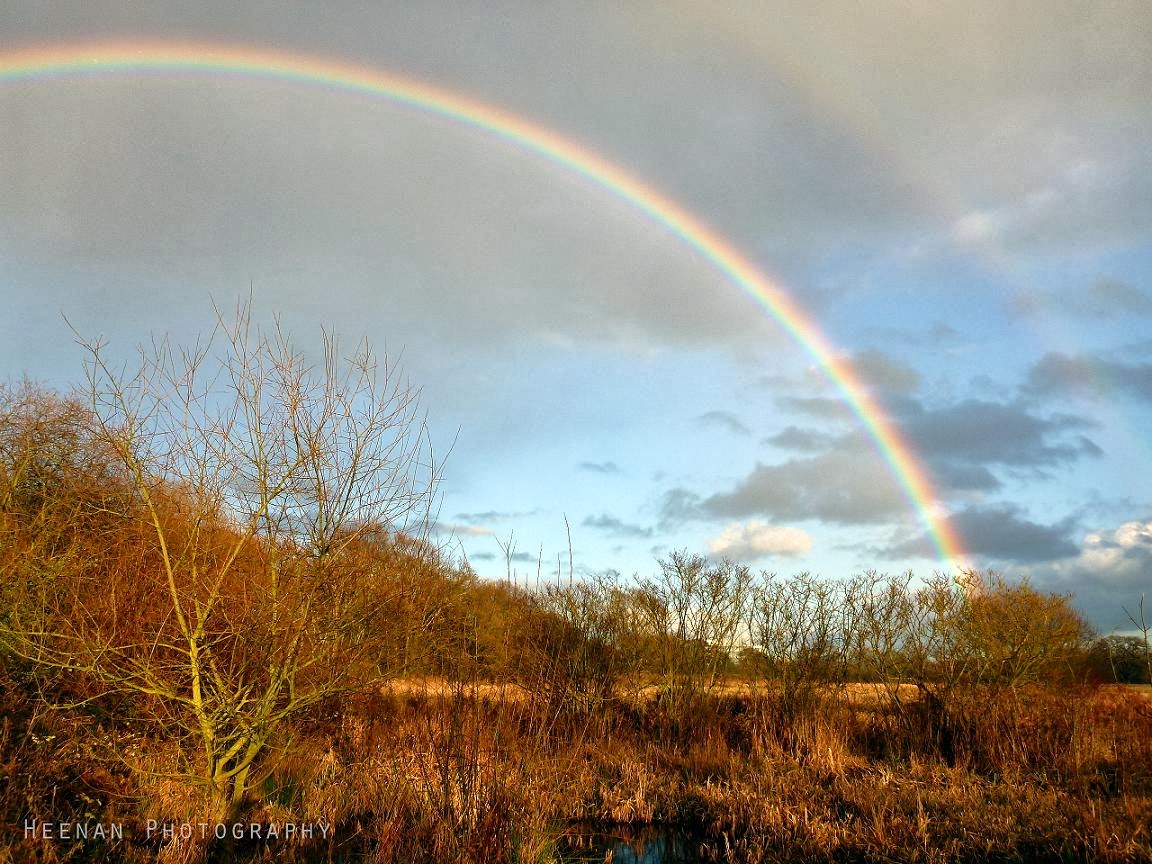
Even the rainy days have their rainbows. This photo was taken in the Roding Valley, and shows a double rainbow over the wet meadows and fen of the Nature Reserve that runs along the River Roding near Loughton and Chigwell, Essex, England. The reserve follows the river for roughly a mile and a half, and in addition to providing a place for the Roding to flood (thus alleviating some of the flooding pressure downstream) the reserve also contains a number of important plant and animal species. The nature reserve contains the the largest remaining area of water meadows in Essex, according to Essex Wildlife Trust. I like the warmth of the late light here bathing the bare trees and shrubs, and picking out the sere grasses in the background.

Monday, 23 December 2013

Autumn Series 02

These two Autumn images feature some more advanced colours than the Autumn Series 01 post, with reds and browns much more dominant before the wintry weather this December finally caused the leaves to drop.


The field maple, an early starter when it comes to Autumn, had already lost many of its leaves in the photograph above, yet the remaining leaves show beautiful shades of colour and a classic maple shape against the sky. I couldn't resist taking a photo of the beech tree in the shot below either, as the canopy displayed an extraordinary range of colours at once, and the very vibrant red leaves saw an echo in the rusty red lichens on the trunk.


With some gusty Winter weather now here (some parts of Britain could experience gusts of up to 144km/h as storms hit today and tomorrow), it seems that will be all for the Autumn series for 2013. If forecasters are right about snow warnings though, we could be in for a very White Christmas indeed!

Saturday, 30 November 2013

Autumn Series 01


 Autumn is lingering this year; it is nearly December and there are still leaves on the trees, developing richer colours. The warm Summer and mild Autumn this year were reason enough to expect a spectacular display of Autumn colours (read more about why leaves change colour in an interesting Guardian article here), and it seems the trees have not disappointed. Trees such as horse chestnut, sweet chestnut and field maple led the way with some early yellows and oranges, whilst even the late developers are now getting into the swing of things. Between them the trees are displaying a dazzling variety of colours including golden, russet, amber and fawn.

The two photos featured here were taken in the beautiful Danbury Woods in Essex. The sweet chestnut tree in the photo above originally began with a juxtaposition of green, caramel and coffee coloured leaves, but later in the season the leaves are almost all a soft caramel yellow - the browner leaves falling away, whilst the green leaves have finally succumbed to Autumn. The vibrant chestnut tree is framed in the photo by the dead wood of an enormous fallen tree. This dead wood has incredible texture and subtle colouring, providing a pleasing contrast to the chestnut tree in the background.

The photo below shows the amber-orange foliage of a field maple, with sugars in the leaves beginning to develop red pigments. If we continue with Autumn sunshine and temperatures above freezing we should eventually reach the deep red colours that we rarely see in in years with wet and cloudy Autumns or after frosts.


Keep your eyes open for more pictures to follow in the Autumn series!

Sunday, 13 October 2013

Serotinal Shots 2013


Here are two shots of late Summer that I have picked out to share. Autumn colours are coming to some of the trees already, such as the willows, sycamores and field maples. The Summer is still lingering in a few places however, and with some serotinal sunshine at the beginning of October I caught these pictures in the stunning Constable Country around Flatford Mill and Dedham Vale. This area sits at the edge of Essex and Suffolk, and has been popularised through the artwork of John Constable.

The flowers in the picture above, an unexpected splash of bright colour found lingering in the Cattawade Marsh area (between Flatford and Manningtree), are a yellow which recollects the easy sunshine of the high Summer months now past. These were more beautiful for their evanescence, as the cold weather would soon close in and cause their disappearance from the countryside.

The image "Oak and Granary" below sums up to me the pastoral beauty of the Flatford area, bathing in the afternoon light. The oak tree, a veteran full of character and cavities, looks yet Sumer-strong in its green foliage, and frames the fields and the 18th Century wool-store-turned-granary (now a bed and breakfast) behind it.
 "Oak and Granary" by Heenan Photography, features a veteran Oak tree which frames fields and old buildings in the Constable Country of Flatford.
  To see more Heenan Photography pictures, please visit the picture gallery. You can also browse the Heenan Photography Shop to see prints and merchandise for sale.

Wednesday, 21 August 2013

Successful Event

Many thanks to everyone that came to say hello, and showed an interest in the Heenan Photography stall, at the Working Woodland Day event on Saturday 17th August. Tom and Natasha gave out flyers and sweets, talked to visitors about Heenan Photography, and offered both photographic prints and the newly-designed T-shirts for sale at the venue in North Weald in Epping Forest. The event as a whole was very successful, with an estimated 1,250 people attending on the day, which luckily turned out fine in spite of the forecast (which mentioned a chance of rain!).


Heenan Photography are donating 25% of money taken at the Working Woodland Day event to Trees for Cities, a charity that works with local communities on tree planting projects in urban areas.

Thursday, 15 August 2013

Images of Summer

A selection of 2013 Summer pictures, from those taken so far (in spite of the weather which has been decidedly indecisive). Some feature flowers, some insects, and others just luxuriate in the glorious Summer sunshine. Here's hoping there will be more Summer weather to come!


Tuesday, 18 June 2013

Hedgerow Damsel

"Hedgerow Damsel" by Heenan Photography

This Large Red Damselfly (the species name, not just a description!) rests on a thick stem of hawthorn, in a traditional hedgerow at the Roding Valley Meadows nature reserve in Essex. This nature reserve, although only a mile and a half long, contains almost ten miles of thick hedgerow. The value to wildlife of so much habitat is incredible. Hedges make good Edges, I like to say. The Large Red Damselfly is one of the first species of Damselfly or Dragonfly to appear in the Spring. Damselflies can be distinguished from Dragonflies in a number of ways, primarily by the way they hold their wings at rest (Damselflies hold them in line with their body) and by the way their eyes are set (Damselfly eyes are separated, on either side of their head).

The vibrant, rich red of the damselfly's body is reflected by russet tints in the bark of the hawthorn. Set against the backdrop of vibrant green foliage and creamy white May blossom, this makes for an attractive palette. This macro shot highlights the beauty of some of our invertebrate species; it is certainly worth the time to explore hedges and long grass to find some of the mini-beasts that are making use of these habitats.

"Damsel" arrived in our language via Old French, and meant "a young lady". It still hangs on in the English language in archaic expressions, such as "a damsel in distress". The damselfly in this photo looks far from distressed however!

Friday, 10 May 2013

Exhibition Officially Launched

Exhibition Launch: Tom Heenan and Councillor Gavin Chambers
Exhibition Launch: Tom Heenan and Cllr Gavin Chambers

The exhibition in Buckhurst Hill was officially launched last night with an evening event at Buckhurst Hill Parish Council's Information Centre, which went very well indeed. In addition to the photos of Epping Forest featured in the exhibition, there were some additional photos and a slideshow for the event, and flyers with more information about Heenan Photography.

Council chairman Gavin Chambers welcomed the guests and introduced the art project, and then I spoke a little about my photography. It was excellent to see so many people at the event in support of the exhibition, with perhaps 35 to 40 guests in attendance. Many thanks to everyone that came along, and also thanks goes to Everything Epping Forest who covered the event - their article about the launch event is featured at www,everythingeppingforest.co.uk/news.htm. For the evening event, and for the exhibition itself, the final thanks of course go to Buckhurst Hill Parish Council for making it all happen.

The photos will be on display at the Information Centre in Queens Road until June. This won't be the end of the story though; the Council are hoping to build upon the project and give other local artists the chance to exhibit their work. This will make a real difference for artists, encourage more art in the area, and make good use of existing wall space. This could be the start of something beautiful.

Guests at the Heenan Photography Exhibition Launch Night
Guests at the Exhibition Launch Night

A slideshow of Heenan Photography photos plays in the background
A slideshow of photos plays in the background

Monday, 22 April 2013

Dedham Vale, Spring 2013

It would seem that Spring has finally begun in England. The hawthorn and cherry are blossoming, the willow catkins are covered in bright yellow pollen, the daffodils have sprung up on roadsides, birdsong fills the air. To make the most of the clement weather a week back, I visited Dedham Vale on the Essex-Suffolk border, and walked from Flatford to Dedham (and back) along the River Stour.

Gnarled trunks and bushes of willow sit amidst the floodwaters, framing the buildings beyond. Photo by Heenan Photography
River Stour in flood near Flatford Mill, Constable Country
  
"Still I should paint my own places best;
painting is with me but another word
for feeling, and I associate “my careless
boyhood” with all that lies on the
banks of the Stour; those scenes made
me a painter, and I am grateful ...
"
 - John Constable


The blue skies, the unusual contortions of the willow trees along the river, the flood-waters on the Suffolk side, and the wildlife that is becoming more obvious as the weather warms up; all of this meant a variety of photo opportunities, and a beautiful Spring walk. A selection of photos from the day are found below; I have written more about the natural history interest of the day on my Far-Ranging blog.


Signs of spring - Male willow catkins covered in pollen. Photo by Heenan PhotographyWillows by the river showing a range of contorted shapes. Photo by Heenan Photography

A grand Ash tree splashed with colour. Photo by Heenan PhotographyA couple walk beside the river, while a pair of swans browse the banks. Photo by Heenan Photography

Dedham countryside seen through stained glass. Photo by Heenan Photography

3M2EZZGN9HCE

Friday, 22 March 2013

Buckhurst Hill Exhibition - Update

 Buckhurst Hill Parish Council's new Community Gallery project is now under way, with a selection of my prints currently up on display in the information centre in Queens Road!
The photography exhibition will run for the next three months, whereupon the Community Gallery will open up to a new phase of artists with links to Buckhurst Hill.

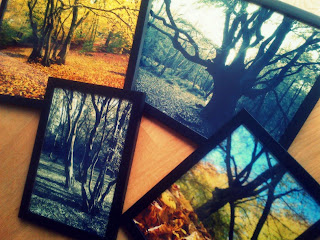
Some of the Photos currently on display, which all feature Epping Forest
I am the first artist to be selected as part of the arts project, and have chosen to grace the wall space with images from Epping Forest, one of our local treasures. Roughly half of the land in Buckhurst Hill is open space (BHPC), and the Forest contributes a large amount to this half; not only is Epping Forest beautiful, but ubiquitous here too. The name even refers to the trees: "Buckhurst"  was called La Bocherste in the 1100's (while England was under Norman control), and this earliest reference to the area means "a hill covered with beech trees" (Wikipedia). Is it any wonder that, growing up in Buckhurst Hill, I developed an abiding interest in trees?

Make it down to the Information Centre in Queens Road in the next three months to see the exhibition, including "The Lambent Pollard" and "Autumn Light and Leaf" (see these two pictures here). If you're an artist or photographer interested in getting involved in the next phase of the project, contact the Parish Council here.


View Larger Map

OPENING TIMES
9.30am - 1.00pm
1.30pm - 4.00pm
Monday, Tuesday,
Wednesday and Friday 
Closed Thursday

More info at:
www.essexinfo.net/buckhurst-hill-parish-council/

Wednesday, 6 March 2013

Community Art Gallery in Buckhurst Hill


A chance to see some of my prints in the flesh! 

I have been invited to take part in a new project with Buckhurst Hill Parish Council, a community art gallery using the lobby wallspace at their offices in Queen's Road. I have submitted a selection of limited edition prints from the Epping Forest area for display, and they should be going up sometime this week. Find out office opening times and more at: www.essexinfo.net/buckhurst-hill-parish-council/

The Parish Council are also planning an Opening Event which will be announced soon, to formally kick off the community gallery. If successful this project will continue to offer a selection of local artists (people with links to Buckhurst Hill) the chance to display their works for a time. This will bring something new to Queen's Road, providing a venue for local people to view local artwork. 

If you know of any artists who might be interested in getting involved in the next phase they would be very welcome to get in touch with Buckhurst Hill Parish Council: 

62 - 64 Queens Road, Buckhurst Hill, Essex. IG9 5BYoffice@buckhursthillpc.gov.uk020 8498 9933

Some of the prints from the Community Gallery

Friday, 8 February 2013

Agrarian Veteran

Agrarian Veteran photo by Heenan Photography
 
I took a turn about the fields in the Chignal Smealy area last Saturday, and managed to capture this photo of a stunning veteran tree. The only way is Essex countryside!

The weather was blustery and cold, and there were dark clouds looming overhead. I thought to capture some photos of the dramatic skies over the fields, but in Winter the arable fields can be quite bare. Then I happened across some charming old trees, or perhaps tree (the trunks may have been part of one coppice stool beneath the soil) beside a ditch. The knobbly, weathered trunk sported some dazzling lichens, a small ray of sunlight on a wintry day. The fresher branches arch out to the left with a delicate drapery of last year's seeds, more keys to the past seasons of growth. This tree had faced many cold Winters, and Summers fair, and I'm sure it had seen much from its position overlooking the agrarian activities of the neighbouring fields.

In Norse mythology, the world sits on an ash tree. The ash, Fraxinus excelsior, sounds rather grand when named in Latin, and indeed it can be a rather grand tree in form. Naturally these trees live to just 250 years or a little beyond, but some of the coppice stools will persist for much longer and some suggest that the older coppiced ash stools may be at least a thousand years old - amongst the oldest living things in Britain. Indeed these trees can be remarkably resilient, bouncing back from disasters like lightning or severe storms, and this can result in some contorted shapes and growth forms. Whilst the trunk itself may only be one or two centuries in age, it is possible that the stool or roots beneath the ground could be far more ancient in these cases. So while the tall maiden Ash trees may be most impressive in size, the more venerable trees may rather be those that have been brought low by men or circumstance.

For those who haven't heard, there is a threat to British ash trees, the Chalara fraxinea fungus or "ash dieback". This was first discovered over here last year, although it has been known in mainland Europe since the 1990s. If the disease has a similar impact in Britain as it has had in Denmark and Sweden, the British countryside could see a change as drastic as that caused by Dutch Elm disease forty to fifty years ago. To read more about ash trees and the Chalara fungus, you can read this Times article and visit this Woodland Trust page.

[View the photo gallery]

ShareThis

Related Posts Plugin for WordPress, Blogger...