Showing posts with label flower. Show all posts

Sunday, 13 March 2016

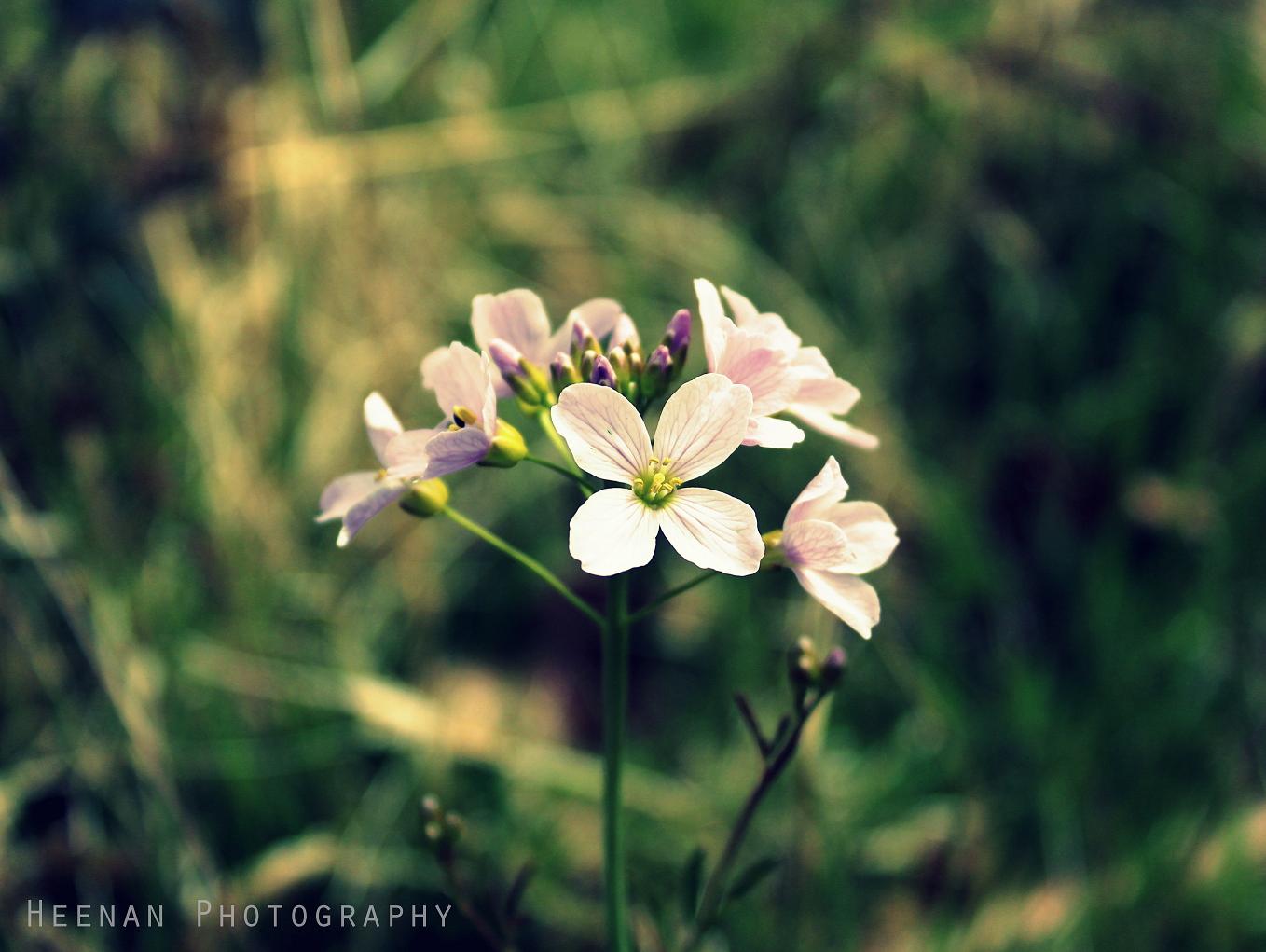
Cuckoo Flower


The subject of this photo is Cuckoo Flower (Cardamine pratensis), also known as Lady's Smock. This flower likes damp areas of grassland and woodland, or even the edges of ponds; although common throughout the UK it has seen some reduction in range due to drainage of wetlands (see naturescalendar.org.uk). This plant should become obvious soon as it starts flowering in April, showing four pale, pink (or sometimes white) petals that are slightly cupped. The Cuckoo Flower is an important foodplant for the Orange Tip Butterfly (Anthocharis cardamines - spot the link between the two in their scientific name!).

It was believed these flowers were sacred to fairies, and therefore it was unlucky to bring them indoors or include them in May Day garlands (nature's calendar, wikipedia).

Saturday, 18 April 2015

Bluebells Arising


Spring is most definitely underway here in the UK, and the signs are all around us. In the Langdon Hills this means some superb swathes of bluebells are soon to carpet the ancient woodlands with blue, and sweetly scent the air. Some woods on the ridge put on their display of bluebells earlier than others due to aspect and other factors, but suffice to say that it will be well worth visiting the various woods over the next few weeks.

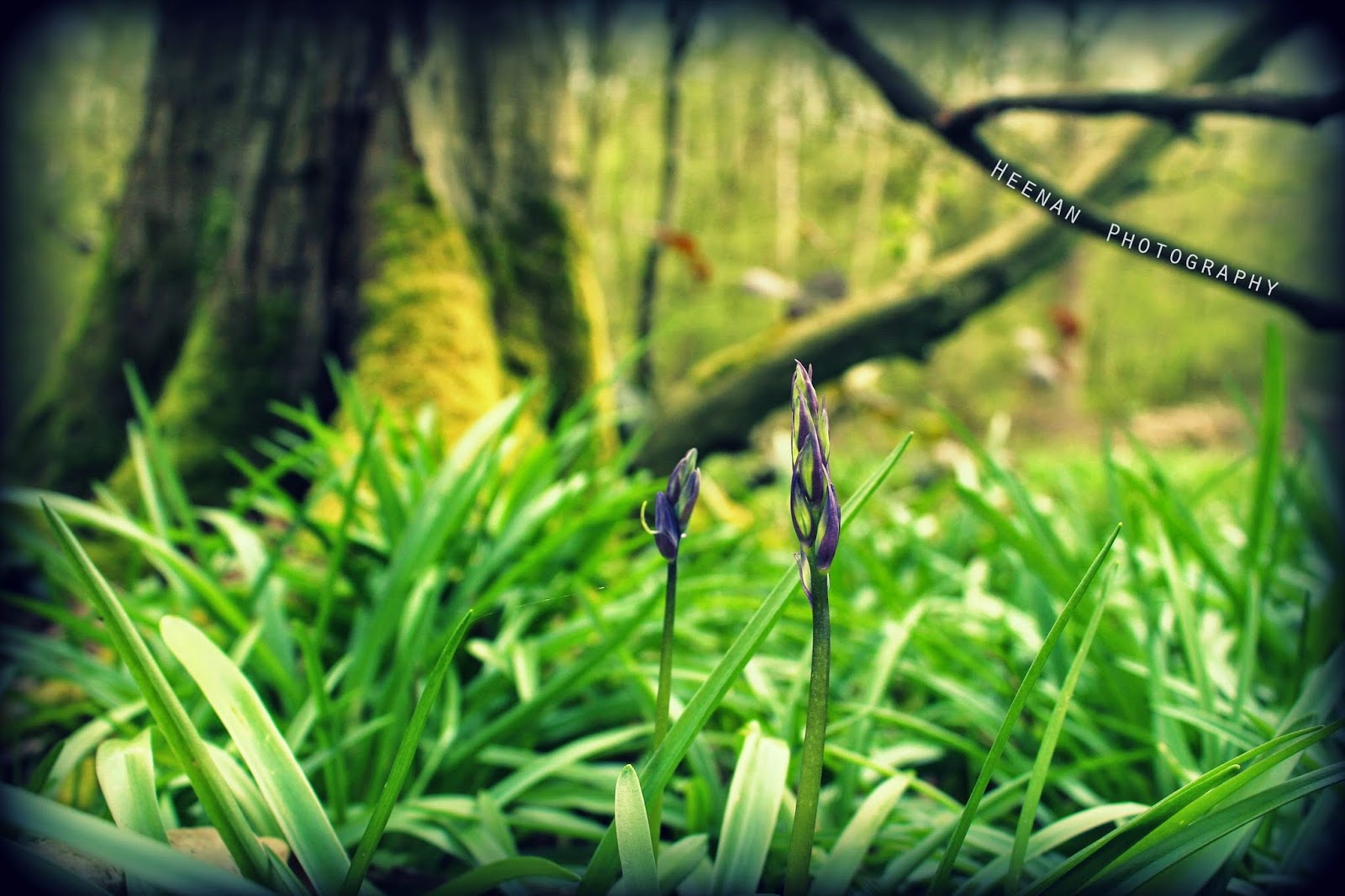
Here you can see the first bluebells emerging in Martinhole Wood in Langdon Hills Country Park, and the dense mat of bluebell plants on the ground here presage the plenitude of flowers yet to emerge. The presence of these flowers here, plus others such as lesser celandine and wood anemone, indicate the age of the woodland. Bluebells are protected by law, so please remember not to pick them... Take a photograph, it will last much longer anyway!

Saturday, 7 June 2014

Fading Comma

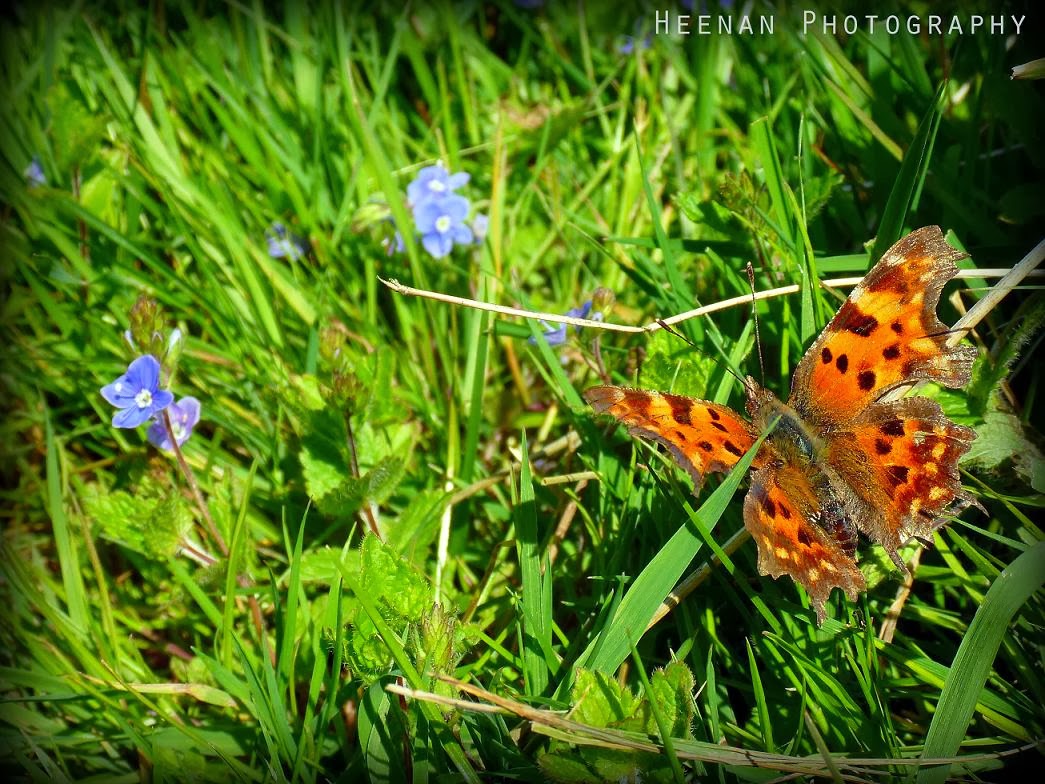
"Fading Comma", resting amongst the Speedwell flowers, May 2013.

The sun is finally shining on us here in the UK, or so it seems. The butterflies are making the most of the bright weather, with many of these bold and beautiful creatures flying around the woodlands and meadows of the countryside, or visiting gardens. Here is a shot from last Summer, of an old Comma butterfly, starting to look ragged but still beautifully coloured, resting on the grass amongst the Speedwell flowers. This shot was taken on the walk between Admiral's Park in Chelmsford and the village of Writtle.

Germander Speedwell (Veronica chamaedrys) is an interesting flower. Some attribute the name "Speedwell" to its use as a traditional remedy, where it was supposed to cure a person quickly (see article here). It may not be enough to restore the Comma butterfly in the face of climate change however.

The Comma butterfly, and other darker insects like it, may soon be fading away as a result of climate change. A study published last month found that global warming is favouring lighter coloured insects over darker ones; Zeuss et al. looked at a wide range of butterfly and dragonfly species across Europe and found that their colouring affects their ability to cope with temperature. The current distribution of these insects is linked to their colouring, and as temperature increases their distribution will too. Darker insects, like the Comma, retreat northwards and lighter insects appear in their place. “Until now we could only watch the massive changes in the insect fauna during the last 20 years. Now we have an idea of what could be a strong cause of the changes," said Dirk Zeuss, lead author of the study. This will help to predict future changes to insect populations in Europe.

Sunday, 13 October 2013

Serotinal Shots 2013


Here are two shots of late Summer that I have picked out to share. Autumn colours are coming to some of the trees already, such as the willows, sycamores and field maples. The Summer is still lingering in a few places however, and with some serotinal sunshine at the beginning of October I caught these pictures in the stunning Constable Country around Flatford Mill and Dedham Vale. This area sits at the edge of Essex and Suffolk, and has been popularised through the artwork of John Constable.

The flowers in the picture above, an unexpected splash of bright colour found lingering in the Cattawade Marsh area (between Flatford and Manningtree), are a yellow which recollects the easy sunshine of the high Summer months now past. These were more beautiful for their evanescence, as the cold weather would soon close in and cause their disappearance from the countryside.

The image "Oak and Granary" below sums up to me the pastoral beauty of the Flatford area, bathing in the afternoon light. The oak tree, a veteran full of character and cavities, looks yet Sumer-strong in its green foliage, and frames the fields and the 18th Century wool-store-turned-granary (now a bed and breakfast) behind it.
 "Oak and Granary" by Heenan Photography, features a veteran Oak tree which frames fields and old buildings in the Constable Country of Flatford.
  To see more Heenan Photography pictures, please visit the picture gallery. You can also browse the Heenan Photography Shop to see prints and merchandise for sale.

Thursday, 15 August 2013

Images of Summer

A selection of 2013 Summer pictures, from those taken so far (in spite of the weather which has been decidedly indecisive). Some feature flowers, some insects, and others just luxuriate in the glorious Summer sunshine. Here's hoping there will be more Summer weather to come!


Friday, 31 May 2013

Spring Blues in Epping Forest

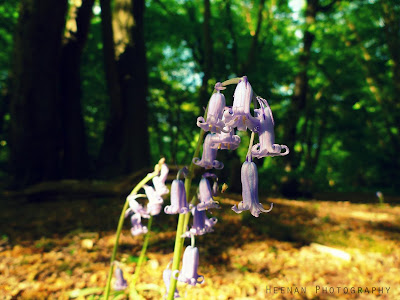
Native bluebells (Hyacinthoides non-scripta) in Epping Forest, Greater London
Native Bluebells (Hyacinthoides non-scripta) in Epping Forest
We're starting to see that beautiful sign of Spring: bluebells are popping up in old woodlands, hedges, and other spots in the countryside. With the lush greenery clothing the trees and flowers lighting up the countryside, it's easy to get enthusiastic about the change in season. Spring is the thing! These photos were taken while walking from the southern-most end of Epping Forest (near Snaresbrook), through Walthamstow Forest and Highams Park, on 11th May (after attending the BNA Conference - read more about it here). UK woodlands have half of the world's bluebells, so ancient woodlands like Epping Forest and Hainault Forest are really crucial to their persistence. We're lucky in South-West Essex to have so many valuable habitats on our doorstep!
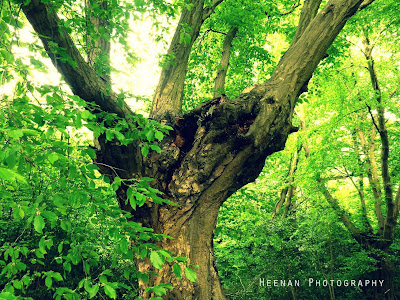
"Ancient Hornbeam Spring" photo by Heenan Photography
Ancient woodlands such as Epping Forest are a common
haunt for bluebells, which do well in shady places
But the peak of bluebell flowering is late this year - The Guardian were certainly worried back in April when they hadn't appeared! The late arrival of bluebells is attributed to the weather we had in March, the coldest March since 1962! According to a recent Guardian article, the bluebells have flowered four to five weeks later than last year. There may be a silver lining to the poor March weather, however. "There is a really good link between late springs and very good summers" says Matthew Oates, nature expert at the National Trust (read the full article here).

There is an imposter in the countryside however, a blue alien. The imported Spanish bluebells have been very successful, hybridising with the native flowers and spreading to many of our gardens and other green spaces. It's even invading the woodland strongholds of the native bluebells, and I found some suspicious bluebells on my walk! How do we tell the two types of bluebell apart? The Guardian offer a few tips, and there is a very useful page on the Natural History Museum website which explains how to identify your bluebells, but some of the basic differences to look for are: Spanish bluebells have paler flowers, no scent, and an upright stalk; native bluebells are scented, they arch or droop over, and their leaves are rolled up.


Spanish bluebells are paler and more upright, and these specimens on the edge of Epping Forest seem to fit the bill
Native bluebells have a stem that
arches over at the end


The bluebells may have arrived late this year, but they are here now - so why not go explore your local countryside to see them! Talk about your own sightings and favourite bluebell spots, or discuss other signs of Spring! Post on our Facebook page or  tweet to #SpringIsTheThing!
ShareThis

Related Posts Plugin for WordPress, Blogger...