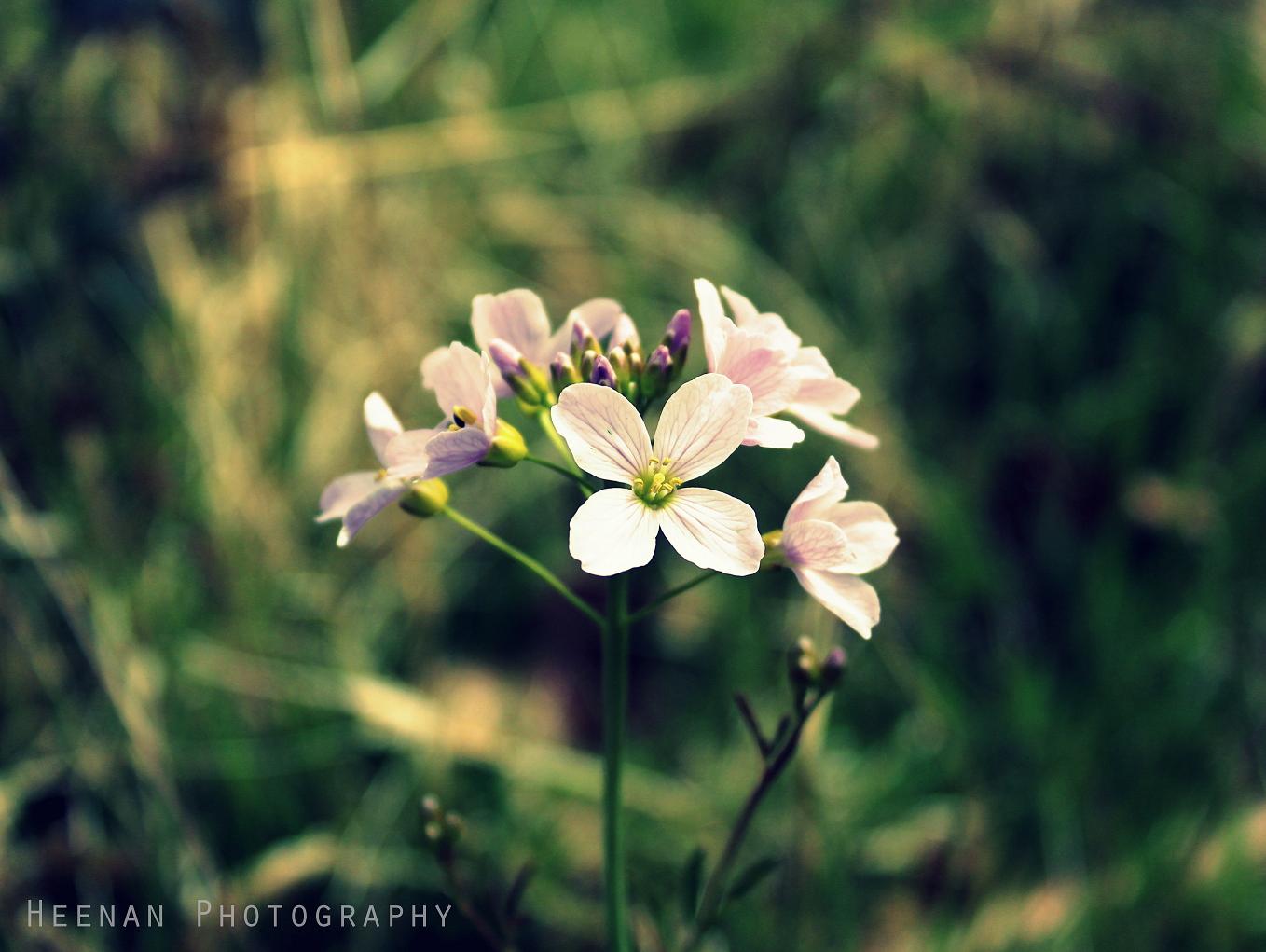
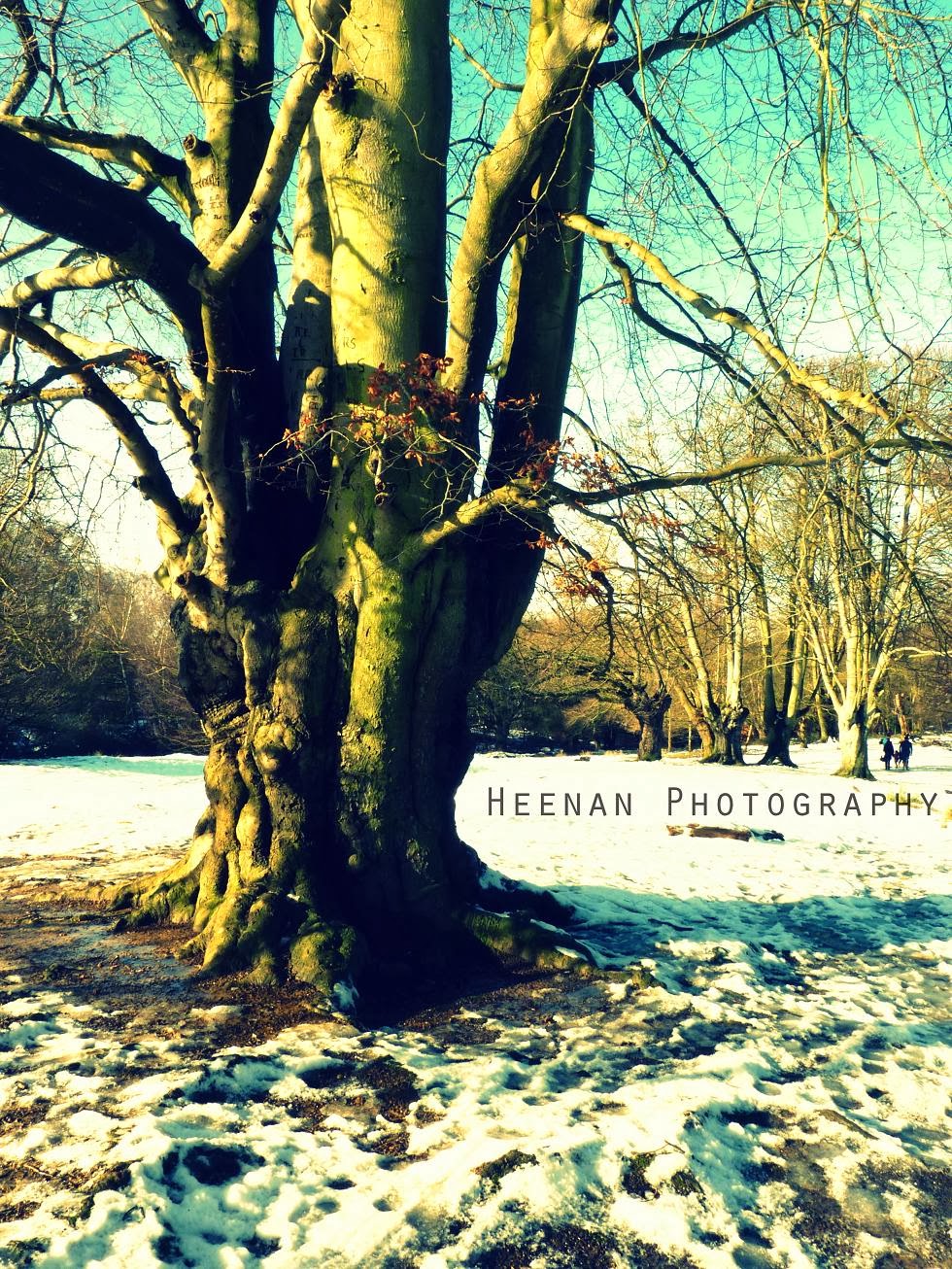
It was believed these flowers were sacred to fairies, and therefore it was unlucky to bring them indoors or include them in May Day garlands (nature's calendar, wikipedia).
Showing posts with label photo. Show all posts
Sunday, 13 March 2016
Cuckoo Flower
It was believed these flowers were sacred to fairies, and therefore it was unlucky to bring them indoors or include them in May Day garlands (nature's calendar, wikipedia).
Thursday, 30 July 2015
Summer Posterchild
![]() |
| "Summer Posterchild" |
The gold and green vista of an English meadow was once a common sight in Summer. Such a sight is much rarer now, as 97% of the UK's meadows have been lost since World War II. This photo was taken at Langdon Hills Country Park in Essex, part of the Langdon Living Landscape. The Country Park's meadows are varied; some were improved for agriculture in the past and are gaining in wildlife interest through appropriate management, while some fields were already glorious with wildflowers. Three of the fields are important enough to be designated as Sites of Special Scientific Interest.
Location:
Langdon Hills Country Park, Essex, UK
Saturday, 28 March 2015
Essex Forest Fragments: Hatfield Coppice
![]() |
| Hazel Coppice in Hatfield Forest |
Coppicing, a technique used for thousands of years to produce useful wood products, has resulted in the interesting growth forms of the trees. Many native trees will regrow with multiple stems after being cut down, producing these distinctive, dense thickets in the photo above. Spring also brings a splash of chartreuse green to the picture, with fresh foliage on both hazel thickets and the ground layer.
Coppicing is often used in modern times as a tool for maintaining the biodiversity of woodlands. It can add variety to the structure of a woodland, and allows light to reach the woodland floor.
Location:
Hatfield Forest, Essex, UK
Saturday, 1 November 2014
Greenwich Reedbeds
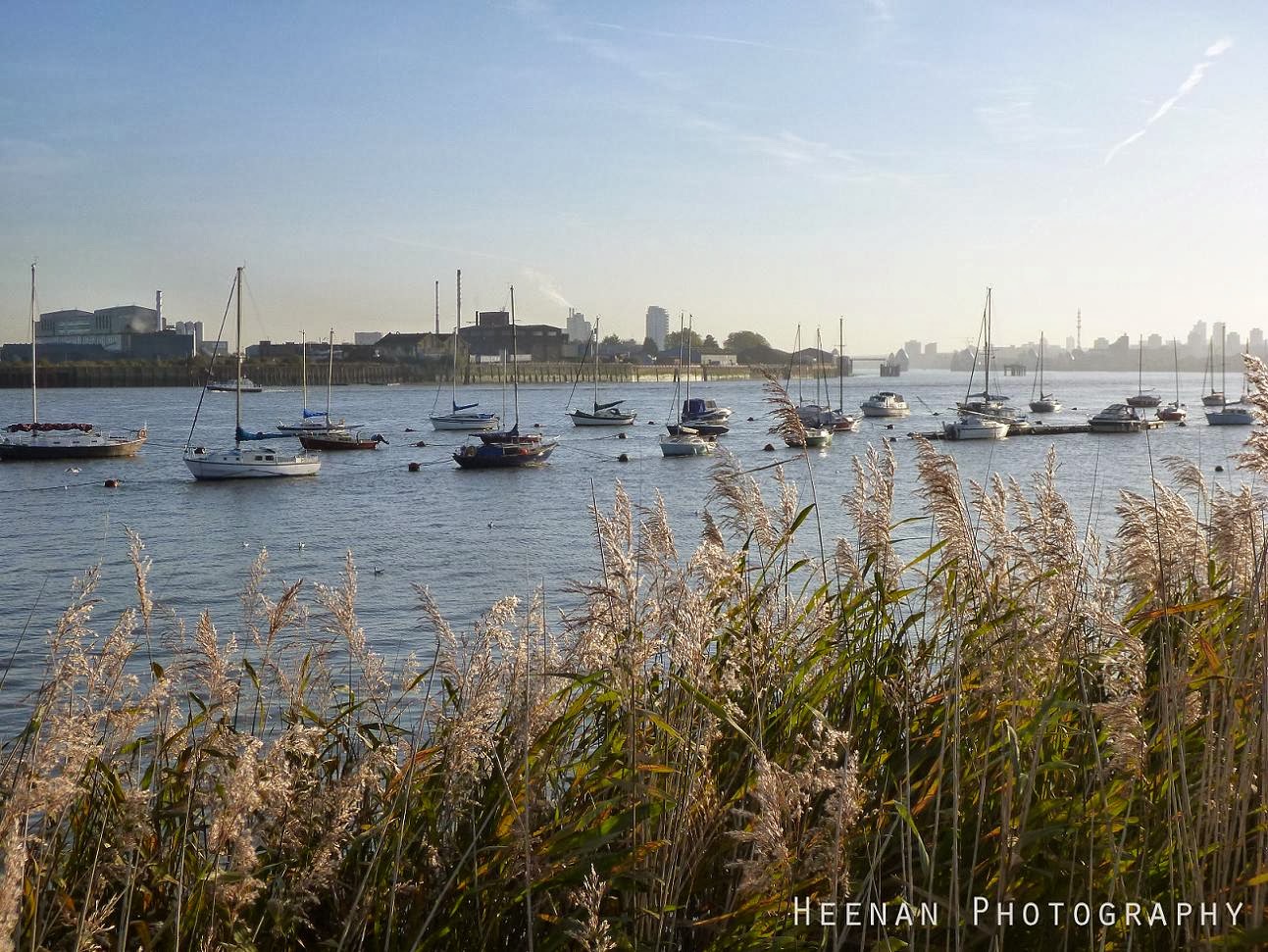
Taken last November, the winter sunshine bathes the Thames in this photo taken from the Greenwich peninsula, looking North and East out over the reed-beds. The Thames Barrier can be seen in the distance.
This photo was taken in North Greenwich from the Thames Path, near the delightful little oasis that is the Greenwich Ecology Park (and not far from the O2 arena, formerly the Millenium Dome). At one time wetlands (marsh, reed-beds and ponds) would have covered much of the the peninsula; the peninsula was actually known as Greenwich Marsh! Green space here has disappeared and reappeared since then, with the rise of industry in the 1880's and its subsequent decline. The Ecology Park's wetland habitats sit on the site of an old steelworks, and were created in 2000 when the peninsula was regenerated. The Ecology Park and the reed-beds nearby are artificial, but are still true reflections of what was once the natural landscape here by the Thames. The wildlife that has since colonised these habitats attests to their value.
Saturday, 4 October 2014
Fallen Limb
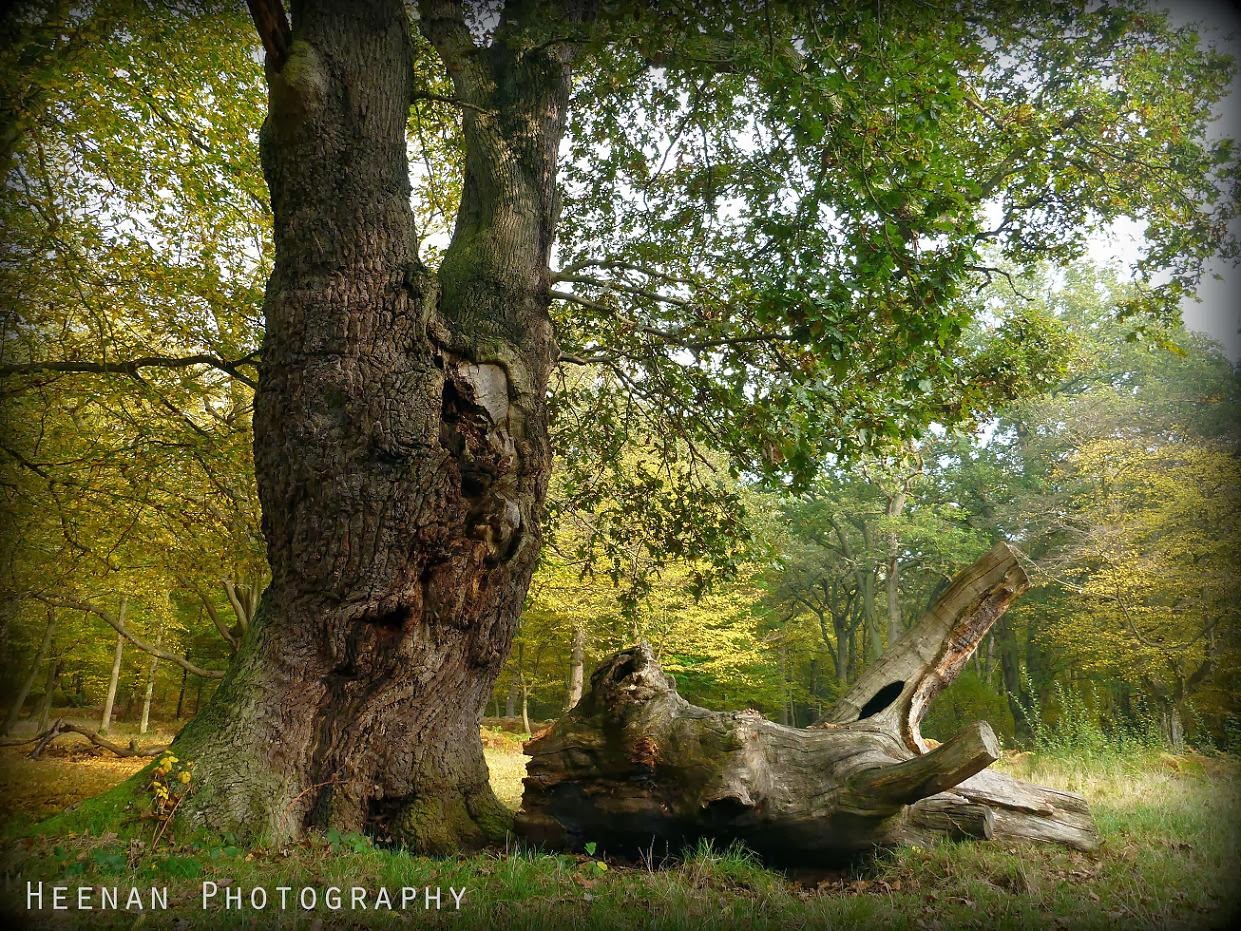
Taken in Epping Forest, "Fallen Limb" shows a veteran Oak pollard with a large fallen bough. The forest is starting to show autumnal colours here, with hornbeam showing yellow tones in the background of this picture.
Pollarding is a traditional woodland management technique which involves cutting back the tree to head height, to stimulate growth and produce useful lengths of wood. This often results in unusual shapes as the tree grows, particularly if the cutting regime isn't continued. Eventually, an unmanaged pollard can become unable to support the weight of its limbs, dropping branches or even being split in twain.
Read more about Epping Forest and Pollarding on the City of London website.
Saturday, 2 August 2014
Marbled White at Langdon Hills
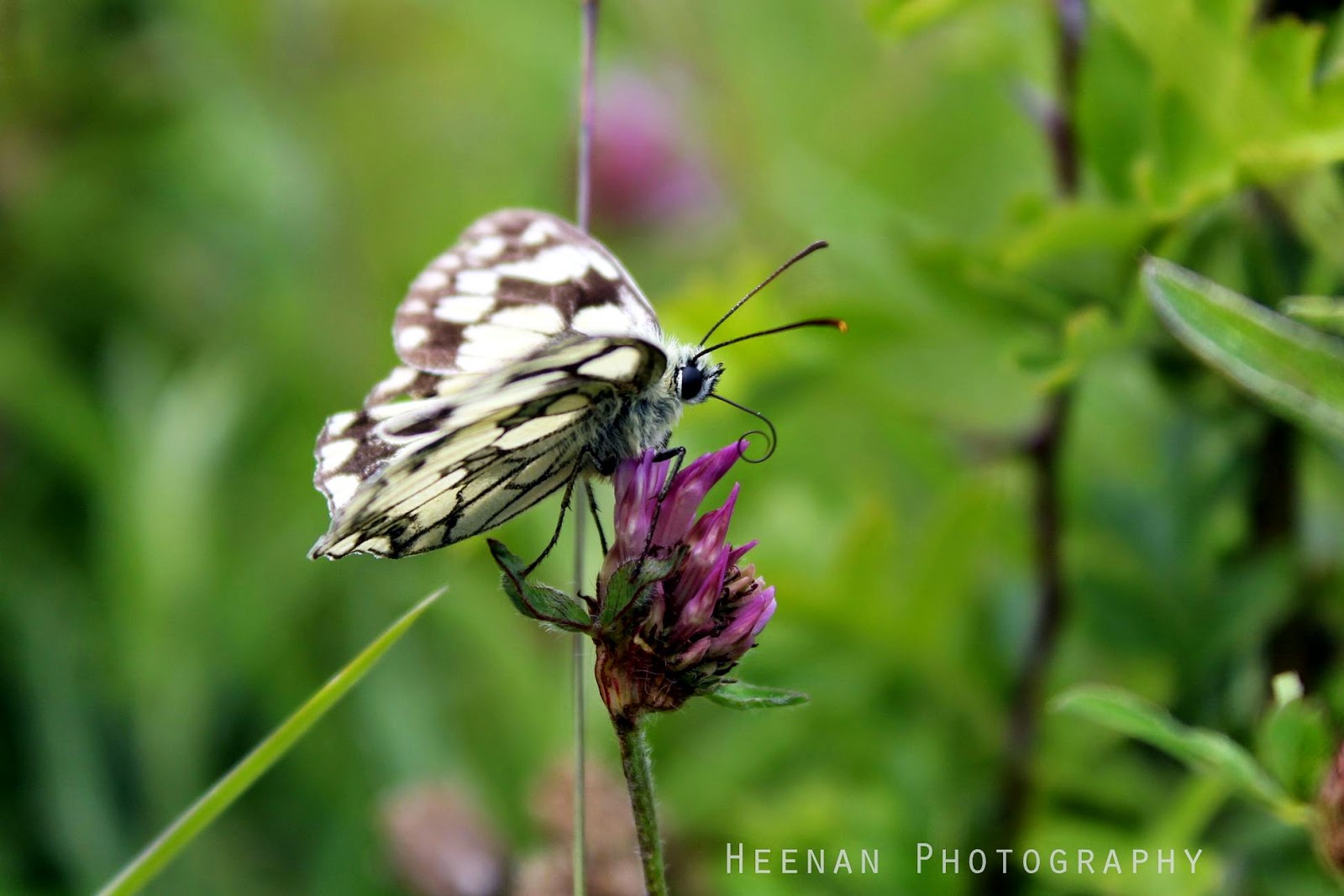
This shot captures a Marbled White butterfly, feeding on red clover at Langdon Hills Country Park, in Thurrock (Essex). The site has a number of meadows, supporting a myriad of insects and other wildlife - including 33 species of butterfly. Many of these are on the wing now that the British summer is most definitely here. Below we have some more information about the Marbled White butterfly, from Naturalist Natasha Lodge.
- Tom Heenan, Photographer
The Marbled White (Melanargia galathea) is actually more closely related to the 'Brown' butterflies than the 'White' butterflies due to its life cycle and habits. It has distinct black and white markings that make it easy to recognise. Small, red, parasitic mites are often seen on the bodies of Marbled Whites, but these do not pose a threat to the butterfly in small numbers and do not detract from their attractive colouring. It is a common species and is found throughout most of South and central England and in parts of South Wales. It is currently absent from Scotland, however the species is expanding northwards.
- Natasha Lodge, Naturalist
Location:
Langdon Hills Country Park, Essex, UK
Saturday, 7 June 2014
Fading Comma
![]() |
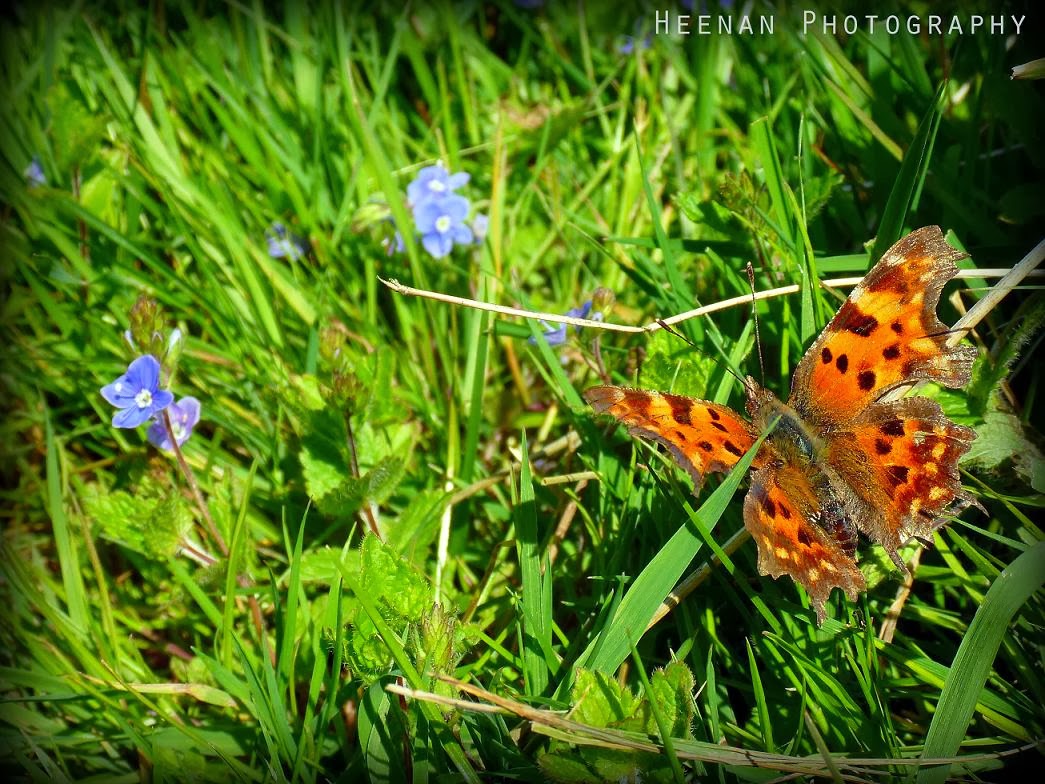
| "Fading Comma", resting amongst the Speedwell flowers, May 2013. |
The sun is finally shining on us here in the UK, or so it seems. The butterflies are making the most of the bright weather, with many of these bold and beautiful creatures flying around the woodlands and meadows of the countryside, or visiting gardens. Here is a shot from last Summer, of an old Comma butterfly, starting to look ragged but still beautifully coloured, resting on the grass amongst the Speedwell flowers. This shot was taken on the walk between Admiral's Park in Chelmsford and the village of Writtle.
Germander Speedwell (Veronica chamaedrys) is an interesting flower. Some attribute the name "Speedwell" to its use as a traditional remedy, where it was supposed to cure a person quickly (see article here). It may not be enough to restore the Comma butterfly in the face of climate change however.
The Comma butterfly, and other darker insects like it, may soon be fading away as a result of climate change. A study published last month found that global warming is favouring lighter coloured insects over darker ones; Zeuss et al. looked at a wide range of butterfly and dragonfly species across Europe and found that their colouring affects their ability to cope with temperature. The current distribution of these insects is linked to their colouring, and as temperature increases their distribution will too. Darker insects, like the Comma, retreat northwards and lighter insects appear in their place. “Until now we could only watch the massive changes in the insect fauna during the last 20 years. Now we have an idea of what could be a strong cause of the changes," said Dirk Zeuss, lead author of the study. This will help to predict future changes to insect populations in Europe.
Saturday, 3 May 2014
"Cotswold Beech Burst"
![]() |
| "Cotswold Beech Burst", Maugersbury, Gloucestershire. |
Saturday, 19 April 2014
Historical Epping Forest: A Photographic Exploration
The Queen Elizabeth Hunting Lodge has to feature in any mention of the history of Epping Forest. From Elizabeth I to William Morris (whose first recorded interest in textiles was during a visit to the hunting lodge - read more about him here), this building has touched upon the lives of many important figures. The lodge was actually built for Henry VIII, back in 1543. The two photos above show the hunting lodge during a medieval re-enactment event, a chance to see history come to life at the hunting lodge. The hunting lodge and the newly-built visitor centre next door are excellent places to learn more about the forest (and "The View" visitor centre does indeed have fantastic views out over Chingford Plain), and there are a number of marked trails leading out from here to help you explore the woodland. Find out more about the lodge and upcoming events at the City of London website.
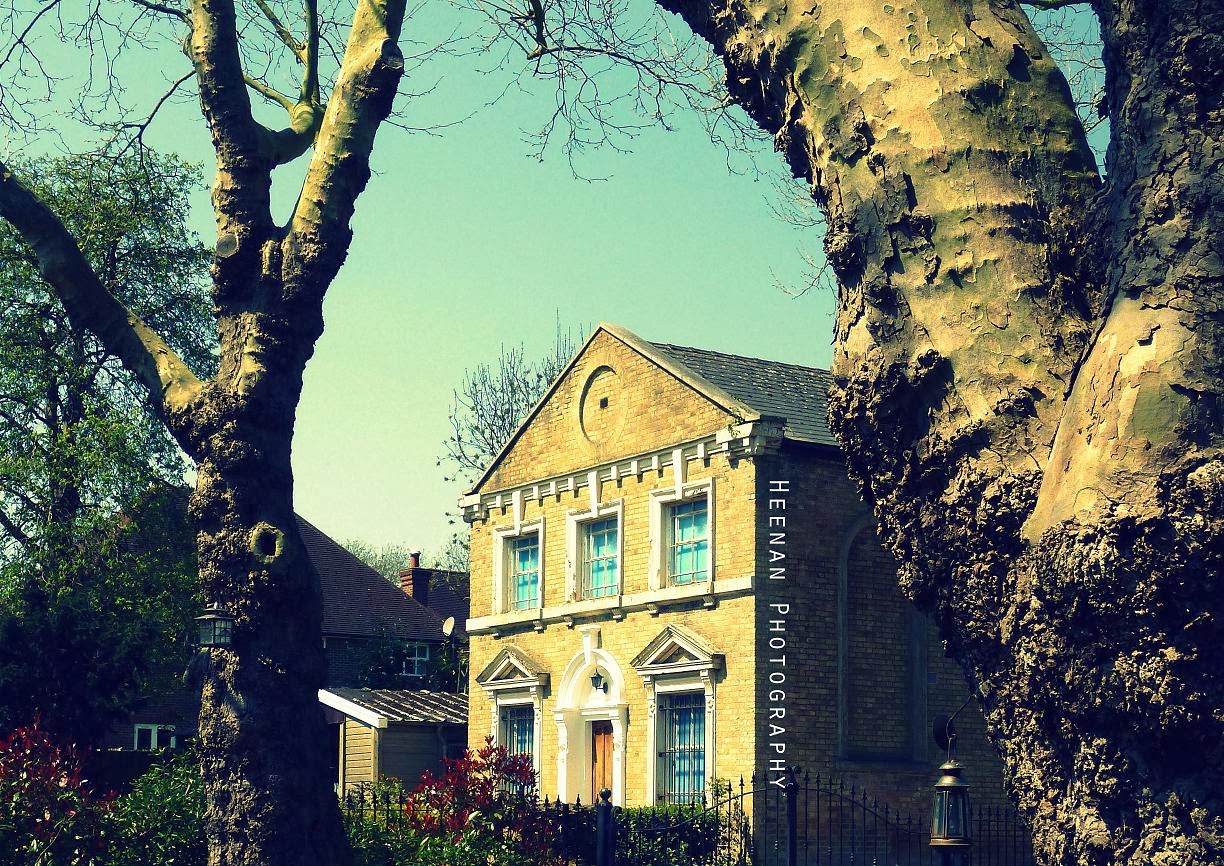
![]() |
| "The Chapel" in Chigwell Row |
![]() |
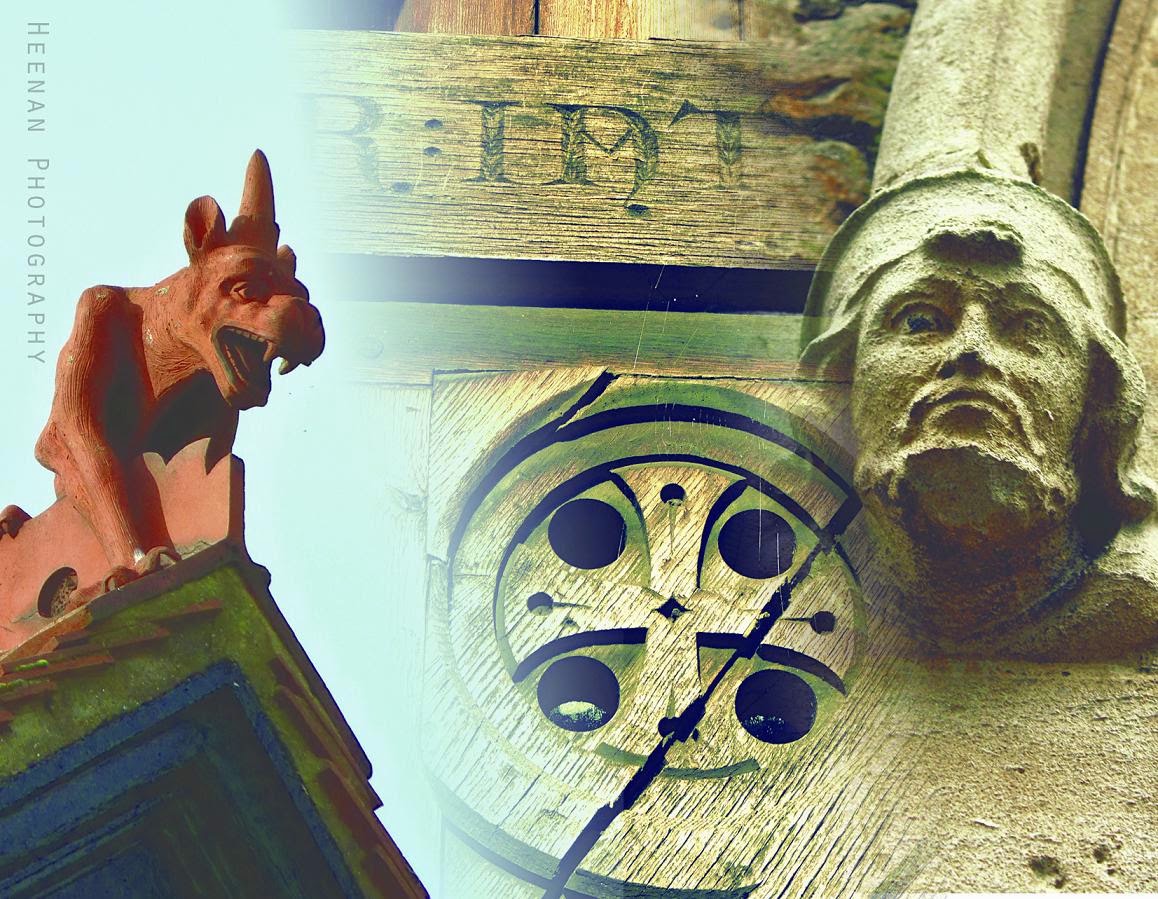
| Some of the fascinating features that can be found on buildings in the area |
Labels:
buildings,
epping forest,
Essex,
history,
photo
Location:
Epping Forest, United Kingdom
Tuesday, 1 April 2014
The Chignal Jester
![]() |
| The Chignal Jester stands proudly on its head. |
Location:
Chignall, Essex, UK
Saturday, 15 March 2014
River Stour Boating
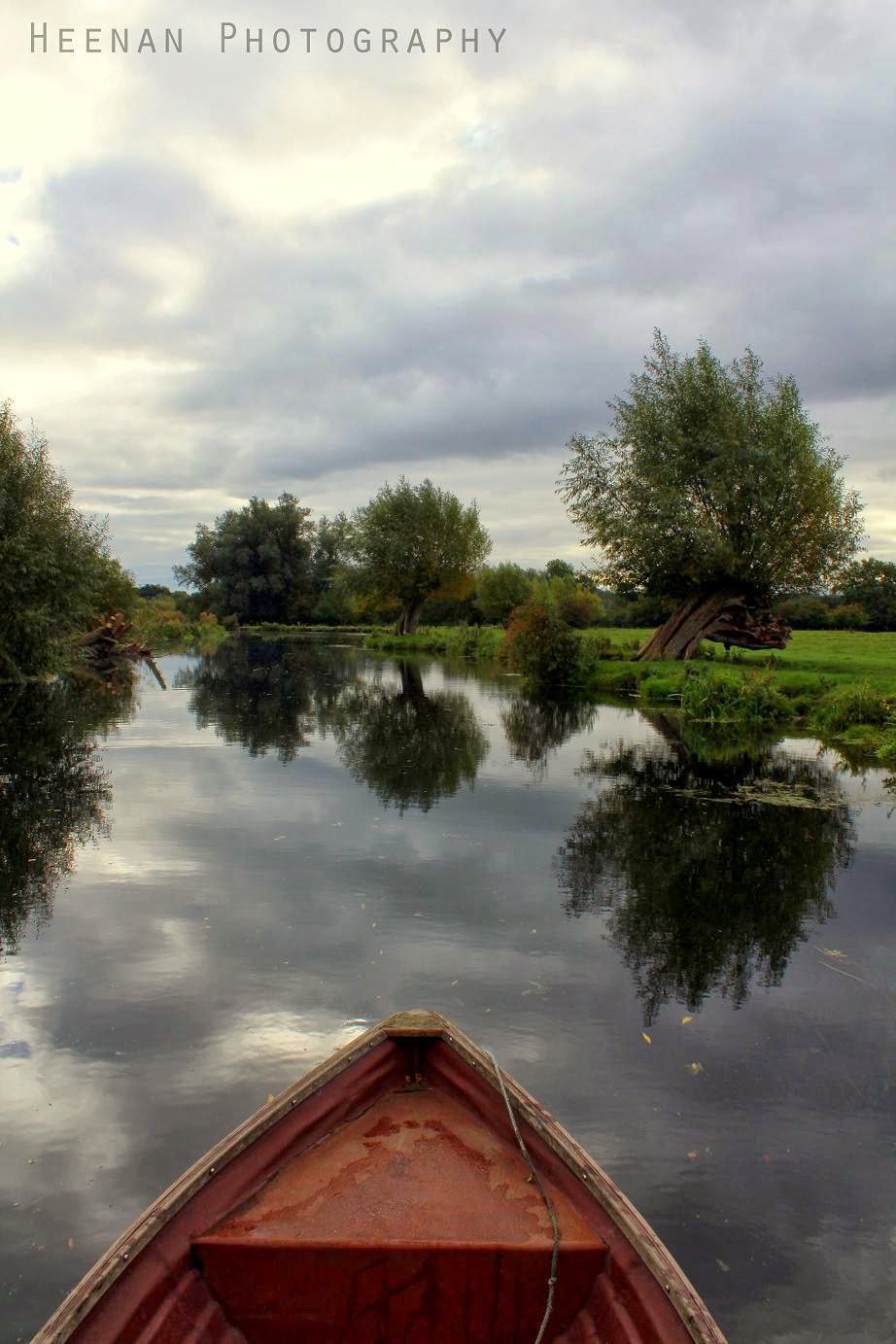
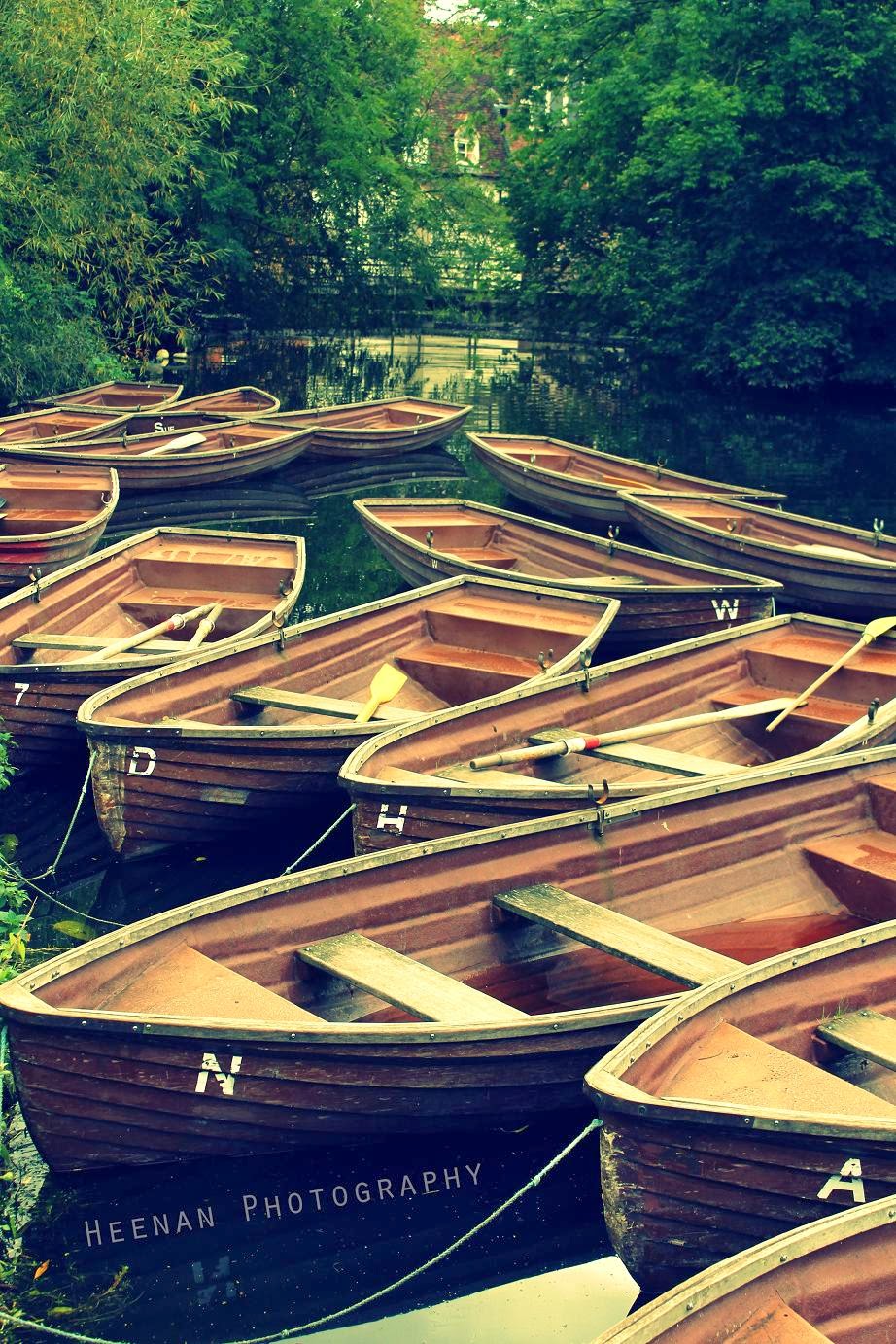
These two images feature the River Stour, in that beautiful part of the country where Essex and Suffolk meet. Dedham Vale (an AONB - Area of Outstanding Natural Beauty) has gorgeous, famous and typically English landscapes, with rolling farmland and quaint old buildings. The two photos I am posting today show the aquatic charms of the River however. There is a long history of navigation on the River Stour, and boats have been used to transport all sorts of goods from bricks heading to London through to sewage heading out to the fields of Suffolk! They can also transport itinerant photographers. The picture above, "On the Stour", shows a boats-eye view of the riverine landscape, including twisted, pollarded Willow trees. The picture below, "The Boating Alphabet", depicts a landscape of boats awaiting use outside the old Granary building (with Flatford Mill glimpsed through the trees in the background).
Location:
Flatford, Suffolk, UK
Saturday, 22 February 2014
Rainbow Over Roding
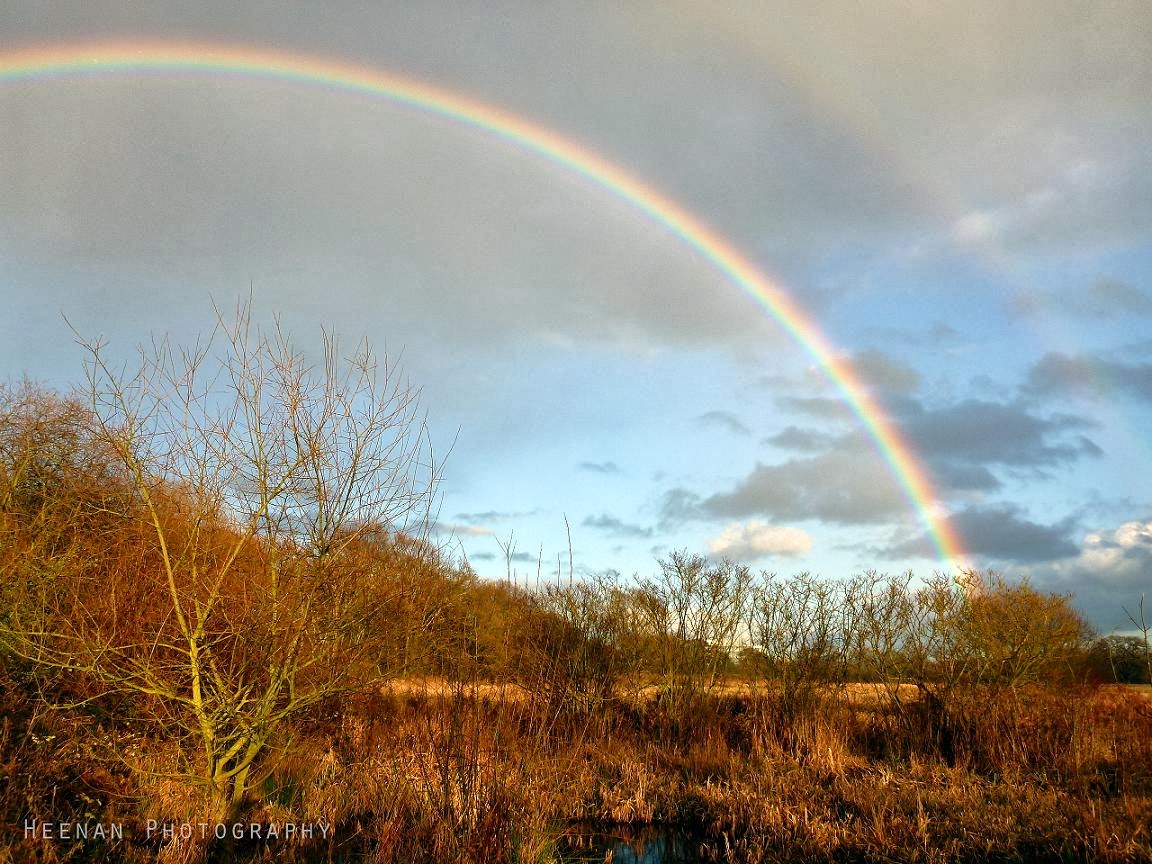
Even the rainy days have their rainbows. This photo was taken in the Roding Valley, and shows a double rainbow over the wet meadows and fen of the Nature Reserve that runs along the River Roding near Loughton and Chigwell, Essex, England. The reserve follows the river for roughly a mile and a half, and in addition to providing a place for the Roding to flood (thus alleviating some of the flooding pressure downstream) the reserve also contains a number of important plant and animal species. The nature reserve contains the the largest remaining area of water meadows in Essex, according to Essex Wildlife Trust. I like the warmth of the late light here bathing the bare trees and shrubs, and picking out the sere grasses in the background.
Tuesday, 4 February 2014
Tor View
![]() |
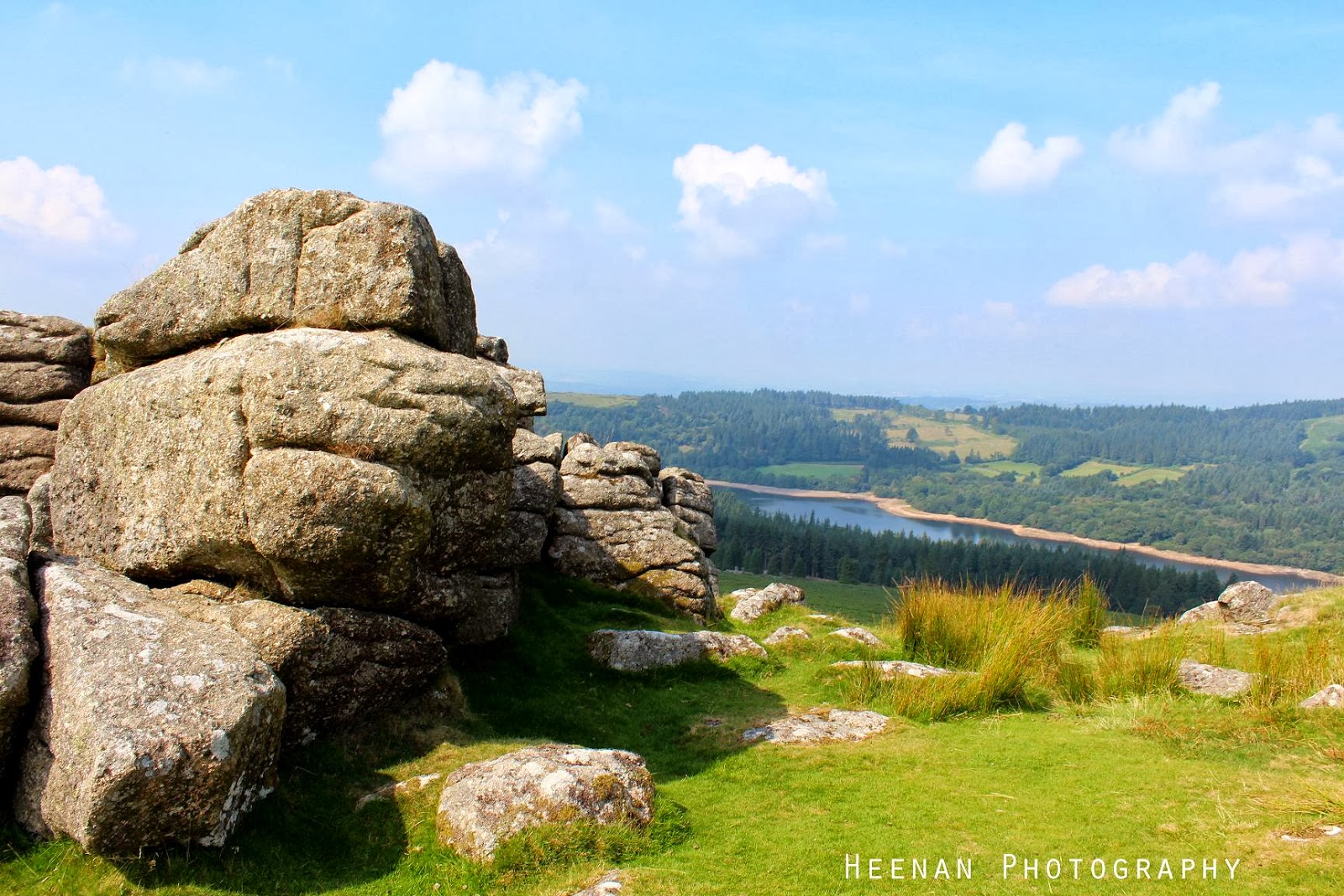
| The Dartmoor landscape as seen from the ancient rocks of Sheeps Tor |
tor (tôr)
n.
1. A high rock or pile of rocks on the top of a hill.
2. A rocky peak or hill.
This photo shows the view over Burrator Reservoir from Sheeps Tor, Dartmoor, Devon.
The ancient granite rocks of this Tor were formed hundreds of millions of years ago as magma slowly cooled beneath the Earth's surface. These rocks have since become uncovered by erosion, but being more resistant to erosion themselves, they are left standing like silent sentinels upon this hilltop and many others in the Dartmoor National Park. Dartmoor has the largest area of granite in Britain and is full of these tors, or "rocky peaks".
Sunday, 19 January 2014
Brick Lane
Some urban photography for you today, for something a little bit different. The Brick Lane landscape is very interesting, with influences of different cultures, a jumble of stalls selling a variety of wares, and the "world famous" graffiti street art. Here are a few photos of "Banglatown" from last weekend.
![]() |
| Delicious cakes, graffiti and more. "Brick Lane Bakery" taken outside the Morena Bakery. |
Labels:
London,
photo,
street art,
urban
Location:
Brick Lane, London E1 6RL, UK
Thursday, 9 January 2014
To Beeches in Winter
Happy New Year to all of our readers and customers!
It may be hard to believe we are into January 2014 now with the weather conditions remaining unusually warm (although very wet and windy) here in the UK. However, this wet and warm spell may end very soon as forecasters warn that the bitter Arctic snap which has been affecting the US will be making its way to British shores as we move into next week. So, we may finally see some snow this winter!
Here is a wintry photo to get you all in the mood for the Arctic snap. "To Beeches In Winter" comes from my stock of images taken last winter, and although it didn't feature in the Epping Forest in Winter post or the Spring Clean Winter Photos collection it is still very high up on my list of favourite photos. The sky is a pure shade of blue, the snow shows the passage of many snow-crunching feet, and the grand, pollarded Beech tree in the foreground is balanced by a motley row of pollard trees in the background. The miniature family in the distance add a sense of scale, and a human perspective to the beautiful Epping Forest landscape.
It may be hard to believe we are into January 2014 now with the weather conditions remaining unusually warm (although very wet and windy) here in the UK. However, this wet and warm spell may end very soon as forecasters warn that the bitter Arctic snap which has been affecting the US will be making its way to British shores as we move into next week. So, we may finally see some snow this winter!
![]() |
| Snow and sunny skies last winter at High Beach in Epping Forest, Essex |
Here is a wintry photo to get you all in the mood for the Arctic snap. "To Beeches In Winter" comes from my stock of images taken last winter, and although it didn't feature in the Epping Forest in Winter post or the Spring Clean Winter Photos collection it is still very high up on my list of favourite photos. The sky is a pure shade of blue, the snow shows the passage of many snow-crunching feet, and the grand, pollarded Beech tree in the foreground is balanced by a motley row of pollard trees in the background. The miniature family in the distance add a sense of scale, and a human perspective to the beautiful Epping Forest landscape.
Location:
Epping Forest, Essex, UK
Monday, 23 December 2013
Autumn Series 02
These two Autumn images feature some more advanced colours than the Autumn Series 01 post, with reds and browns much more dominant before the wintry weather this December finally caused the leaves to drop.
The field maple, an early starter when it comes to Autumn, had already lost many of its leaves in the photograph above, yet the remaining leaves show beautiful shades of colour and a classic maple shape against the sky. I couldn't resist taking a photo of the beech tree in the shot below either, as the canopy displayed an extraordinary range of colours at once, and the very vibrant red leaves saw an echo in the rusty red lichens on the trunk.
With some gusty Winter weather now here (some parts of Britain could experience gusts of up to 144km/h as storms hit today and tomorrow), it seems that will be all for the Autumn series for 2013. If forecasters are right about snow warnings though, we could be in for a very White Christmas indeed!
The field maple, an early starter when it comes to Autumn, had already lost many of its leaves in the photograph above, yet the remaining leaves show beautiful shades of colour and a classic maple shape against the sky. I couldn't resist taking a photo of the beech tree in the shot below either, as the canopy displayed an extraordinary range of colours at once, and the very vibrant red leaves saw an echo in the rusty red lichens on the trunk.
With some gusty Winter weather now here (some parts of Britain could experience gusts of up to 144km/h as storms hit today and tomorrow), it seems that will be all for the Autumn series for 2013. If forecasters are right about snow warnings though, we could be in for a very White Christmas indeed!
Saturday, 30 November 2013
Autumn Series 01
The two photos featured here were taken in the beautiful Danbury Woods in Essex. The sweet chestnut tree in the photo above originally began with a juxtaposition of green, caramel and coffee coloured leaves, but later in the season the leaves are almost all a soft caramel yellow - the browner leaves falling away, whilst the green leaves have finally succumbed to Autumn. The vibrant chestnut tree is framed in the photo by the dead wood of an enormous fallen tree. This dead wood has incredible texture and subtle colouring, providing a pleasing contrast to the chestnut tree in the background.
The photo below shows the amber-orange foliage of a field maple, with sugars in the leaves beginning to develop red pigments. If we continue with Autumn sunshine and temperatures above freezing we should eventually reach the deep red colours that we rarely see in in years with wet and cloudy Autumns or after frosts.
Keep your eyes open for more pictures to follow in the Autumn series!
Location:
Danbury, Essex, UK
Sunday, 13 October 2013
Serotinal Shots 2013
Here are two shots of late Summer that I have picked out to share. Autumn colours are coming to some of the trees already, such as the willows, sycamores and field maples. The Summer is still lingering in a few places however, and with some serotinal sunshine at the beginning of October I caught these pictures in the stunning Constable Country around Flatford Mill and Dedham Vale. This area sits at the edge of Essex and Suffolk, and has been popularised through the artwork of John Constable.
The flowers in the picture above, an unexpected splash of bright colour found lingering in the Cattawade Marsh area (between Flatford and Manningtree), are a yellow which recollects the easy sunshine of the high Summer months now past. These were more beautiful for their evanescence, as the cold weather would soon close in and cause their disappearance from the countryside.
The image "Oak and Granary" below sums up to me the pastoral beauty of the Flatford area, bathing in the afternoon light. The oak tree, a veteran full of character and cavities, looks yet Sumer-strong in its green foliage, and frames the fields and the 18th Century wool-store-turned-granary (now a bed and breakfast) behind it.
To see more Heenan Photography pictures, please visit the picture gallery. You can also browse the Heenan Photography Shop to see prints and merchandise for sale.
Location:
Dedham Vale, Suffolk, UK
Thursday, 15 August 2013
Images of Summer
A selection of 2013 Summer pictures, from those taken so far (in spite of the weather which has been decidedly indecisive). Some feature flowers, some insects, and others just luxuriate in the glorious Summer sunshine. Here's hoping there will be more Summer weather to come!
Tuesday, 18 June 2013
Hedgerow Damsel
This Large Red Damselfly (the species name, not just a description!) rests on a thick stem of hawthorn, in a traditional hedgerow at the Roding Valley Meadows nature reserve in Essex. This nature reserve, although only a mile and a half long, contains almost ten miles of thick hedgerow. The value to wildlife of so much habitat is incredible. Hedges make good Edges, I like to say. The Large Red Damselfly is one of the first species of Damselfly or Dragonfly to appear in the Spring. Damselflies can be distinguished from Dragonflies in a number of ways, primarily by the way they hold their wings at rest (Damselflies hold them in line with their body) and by the way their eyes are set (Damselfly eyes are separated, on either side of their head).
The vibrant, rich red of the damselfly's body is reflected by russet tints in the bark of the hawthorn. Set against the backdrop of vibrant green foliage and creamy white May blossom, this makes for an attractive palette. This macro shot highlights the beauty of some of our invertebrate species; it is certainly worth the time to explore hedges and long grass to find some of the mini-beasts that are making use of these habitats.
"Damsel" arrived in our language via Old French, and meant "a young lady". It still hangs on in the English language in archaic expressions, such as "a damsel in distress". The damselfly in this photo looks far from distressed however!
Subscribe to:
Posts (Atom)