Showing posts with label blue. Show all posts

Saturday, 1 November 2014

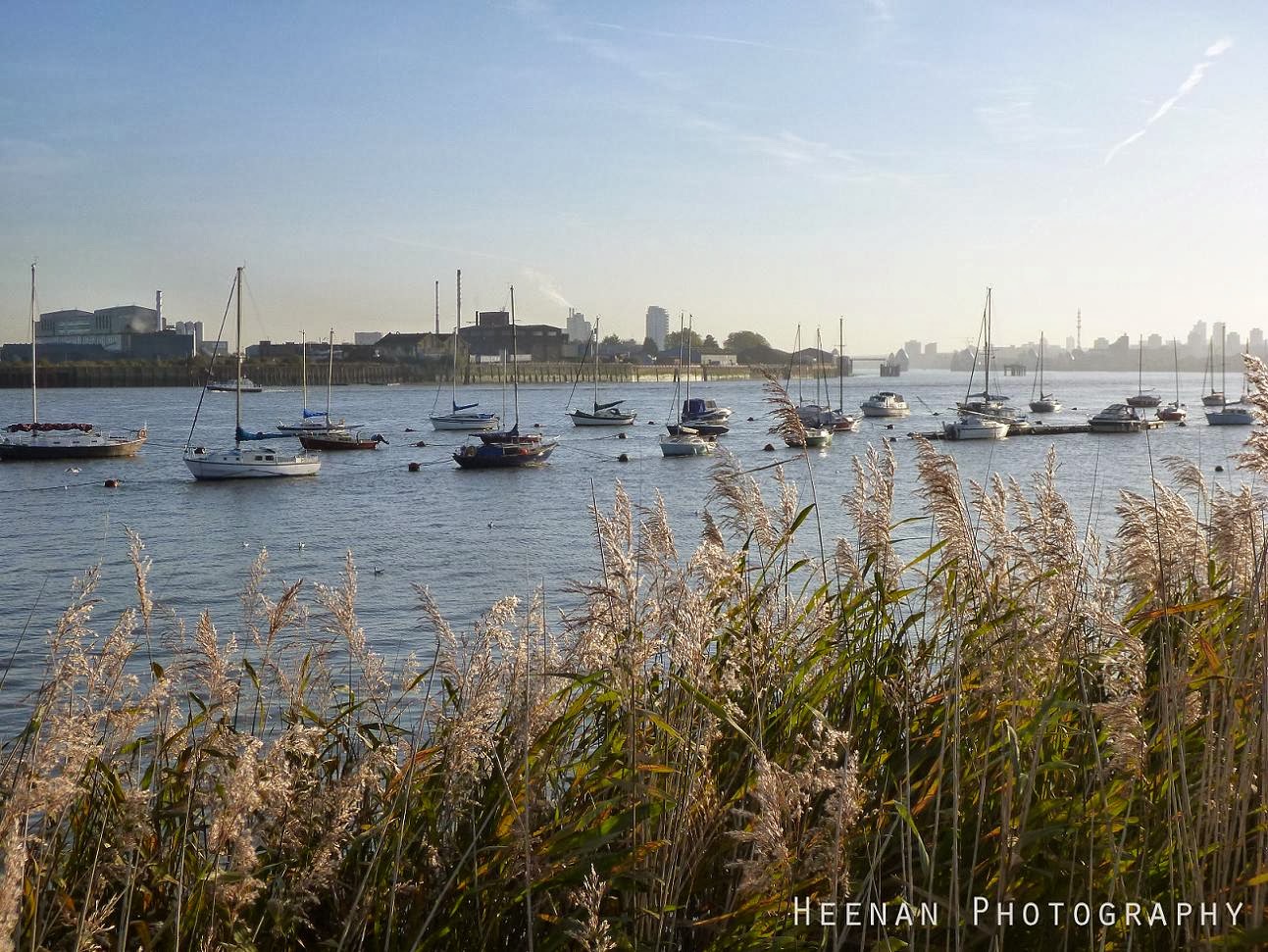
Greenwich Reedbeds


Taken last November, the winter sunshine bathes the Thames in this photo taken from the Greenwich peninsula, looking North and East out over the reed-beds. The Thames Barrier can be seen in the distance.

This photo was taken in North Greenwich from the Thames Path, near the delightful little oasis that is the Greenwich Ecology Park (and not far from the O2 arena, formerly the Millenium Dome). At one time wetlands (marsh, reed-beds and ponds) would have covered much of the the peninsula; the peninsula was actually known as Greenwich Marsh! Green space here has disappeared and reappeared since then, with the rise of industry in the 1880's and its subsequent decline. The Ecology Park's wetland habitats sit on the site of an old steelworks, and were created in 2000 when the peninsula was regenerated. The Ecology Park and the reed-beds nearby are artificial, but are still true reflections of what was once the natural landscape here by the Thames. The wildlife that has since colonised these habitats attests to their value.

Tuesday, 4 February 2014

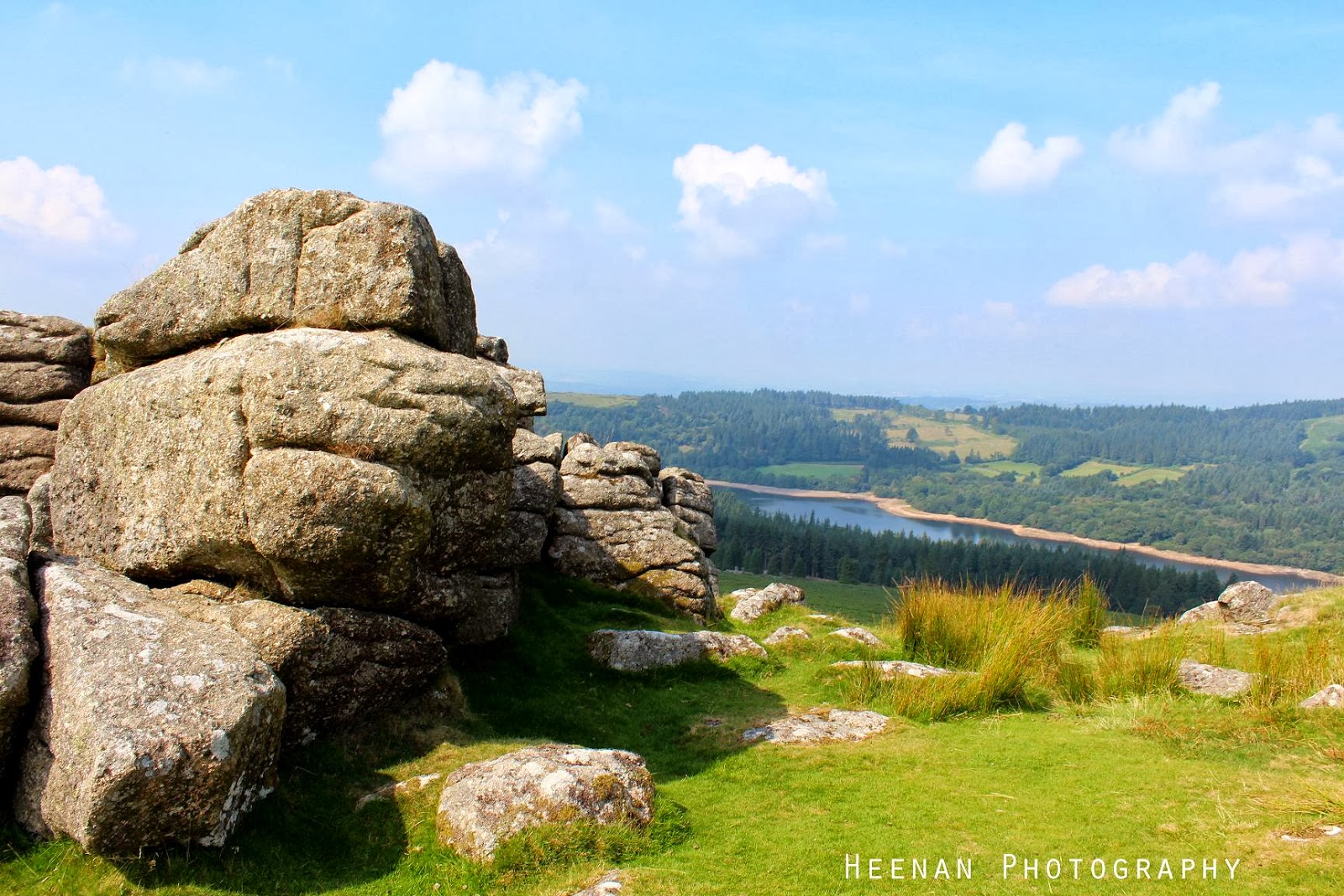
Tor View

The Dartmoor landscape as seen from the ancient rocks of Sheeps Tor
tor  (tôr)
n.
1. A high rock or pile of rocks on the top of a hill.
2. A rocky peak or hill.
This photo shows the view over Burrator Reservoir from Sheeps Tor, Dartmoor, Devon. The ancient granite rocks of this Tor were formed hundreds of millions of years ago as magma slowly cooled beneath the Earth's surface. These rocks have since become uncovered by erosion, but being more resistant to erosion themselves, they are left standing like silent sentinels upon this hilltop and many others in the Dartmoor National Park. Dartmoor has the largest area of granite in Britain and is full of these tors, or "rocky peaks". 

Thursday, 9 January 2014

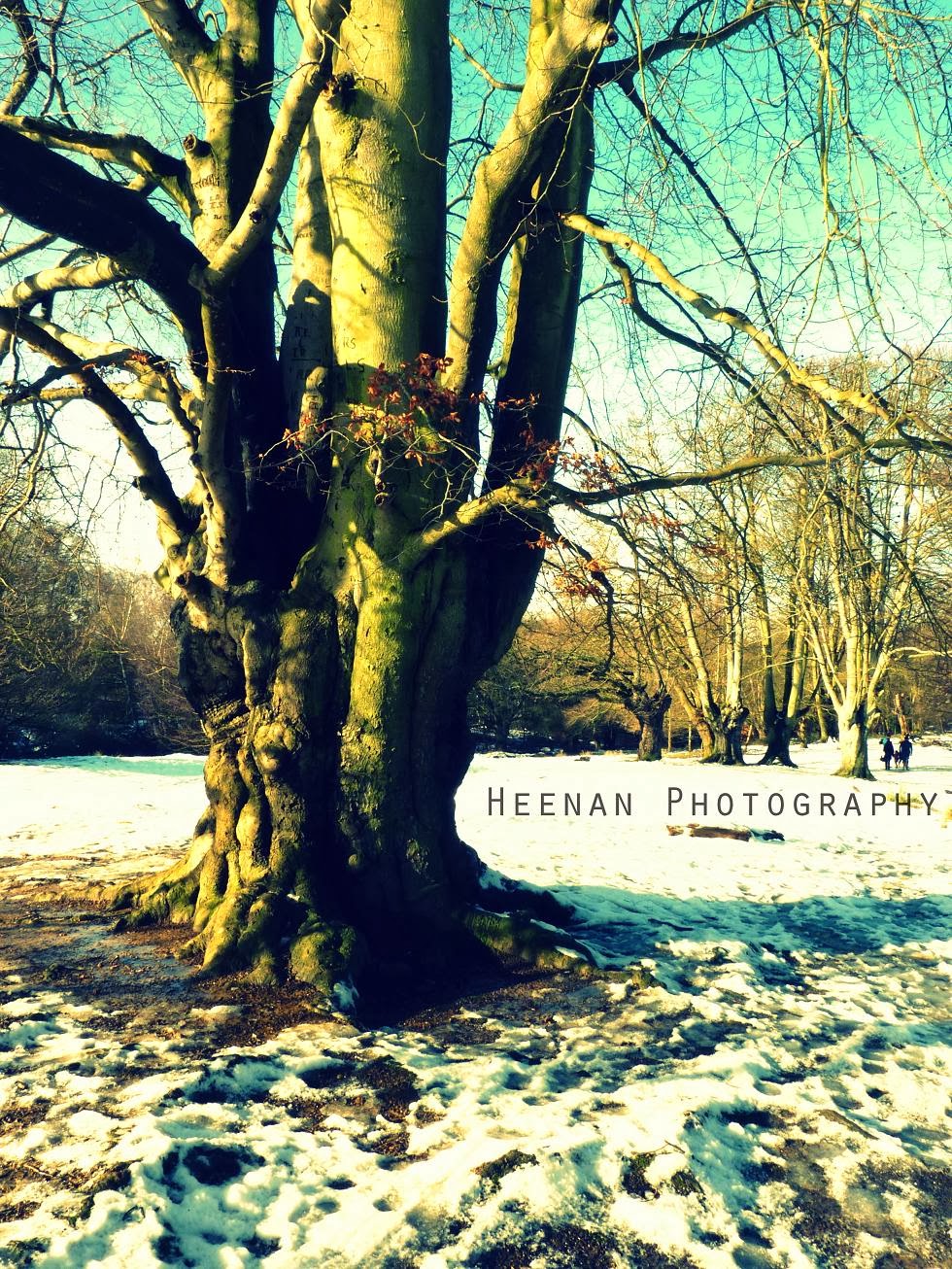
To Beeches in Winter

Happy New Year to all of our readers and customers! 

It may be hard to believe we are into January 2014 now with the weather conditions remaining unusually warm (although very wet and windy) here in the UK. However, this wet and warm spell may end very soon as forecasters warn that the bitter Arctic snap which has been affecting the US will be making its way to British shores as we move into next week. So, we may finally see some snow this winter!


"To Beeches in Winter" by Heenan Photography
Snow and sunny skies last winter at High Beach in Epping Forest, Essex

Here is a wintry photo to get you all in the mood for the Arctic snap. "To Beeches In Winter" comes from my stock of images taken last winter, and although it didn't feature in the Epping Forest in Winter post or the Spring Clean Winter Photos collection it is still very high up on my list of favourite photos. The sky is a pure shade of blue, the snow shows the passage of many snow-crunching feet, and the grand, pollarded Beech tree in the foreground is balanced by a motley row of pollard trees in the background. The miniature family in the distance add a sense of scale, and a human perspective to the beautiful Epping Forest landscape.

Friday, 31 May 2013

Spring Blues in Epping Forest

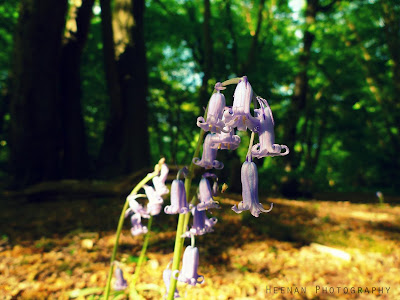
Native bluebells (Hyacinthoides non-scripta) in Epping Forest, Greater London
Native Bluebells (Hyacinthoides non-scripta) in Epping Forest
We're starting to see that beautiful sign of Spring: bluebells are popping up in old woodlands, hedges, and other spots in the countryside. With the lush greenery clothing the trees and flowers lighting up the countryside, it's easy to get enthusiastic about the change in season. Spring is the thing! These photos were taken while walking from the southern-most end of Epping Forest (near Snaresbrook), through Walthamstow Forest and Highams Park, on 11th May (after attending the BNA Conference - read more about it here). UK woodlands have half of the world's bluebells, so ancient woodlands like Epping Forest and Hainault Forest are really crucial to their persistence. We're lucky in South-West Essex to have so many valuable habitats on our doorstep!
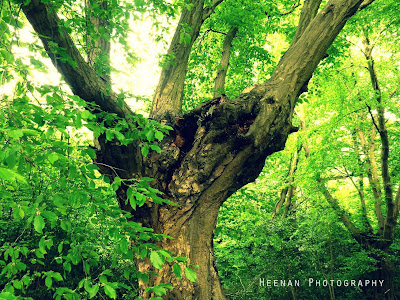
"Ancient Hornbeam Spring" photo by Heenan Photography
Ancient woodlands such as Epping Forest are a common
haunt for bluebells, which do well in shady places
But the peak of bluebell flowering is late this year - The Guardian were certainly worried back in April when they hadn't appeared! The late arrival of bluebells is attributed to the weather we had in March, the coldest March since 1962! According to a recent Guardian article, the bluebells have flowered four to five weeks later than last year. There may be a silver lining to the poor March weather, however. "There is a really good link between late springs and very good summers" says Matthew Oates, nature expert at the National Trust (read the full article here).

There is an imposter in the countryside however, a blue alien. The imported Spanish bluebells have been very successful, hybridising with the native flowers and spreading to many of our gardens and other green spaces. It's even invading the woodland strongholds of the native bluebells, and I found some suspicious bluebells on my walk! How do we tell the two types of bluebell apart? The Guardian offer a few tips, and there is a very useful page on the Natural History Museum website which explains how to identify your bluebells, but some of the basic differences to look for are: Spanish bluebells have paler flowers, no scent, and an upright stalk; native bluebells are scented, they arch or droop over, and their leaves are rolled up.


Spanish bluebells are paler and more upright, and these specimens on the edge of Epping Forest seem to fit the bill
Native bluebells have a stem that
arches over at the end


The bluebells may have arrived late this year, but they are here now - so why not go explore your local countryside to see them! Talk about your own sightings and favourite bluebell spots, or discuss other signs of Spring! Post on our Facebook page or  tweet to #SpringIsTheThing!
Monday, 22 April 2013

Dedham Vale, Spring 2013

It would seem that Spring has finally begun in England. The hawthorn and cherry are blossoming, the willow catkins are covered in bright yellow pollen, the daffodils have sprung up on roadsides, birdsong fills the air. To make the most of the clement weather a week back, I visited Dedham Vale on the Essex-Suffolk border, and walked from Flatford to Dedham (and back) along the River Stour.

Gnarled trunks and bushes of willow sit amidst the floodwaters, framing the buildings beyond. Photo by Heenan Photography
River Stour in flood near Flatford Mill, Constable Country
  
"Still I should paint my own places best;
painting is with me but another word
for feeling, and I associate “my careless
boyhood” with all that lies on the
banks of the Stour; those scenes made
me a painter, and I am grateful ...
"
 - John Constable


The blue skies, the unusual contortions of the willow trees along the river, the flood-waters on the Suffolk side, and the wildlife that is becoming more obvious as the weather warms up; all of this meant a variety of photo opportunities, and a beautiful Spring walk. A selection of photos from the day are found below; I have written more about the natural history interest of the day on my Far-Ranging blog.


Signs of spring - Male willow catkins covered in pollen. Photo by Heenan PhotographyWillows by the river showing a range of contorted shapes. Photo by Heenan Photography

A grand Ash tree splashed with colour. Photo by Heenan PhotographyA couple walk beside the river, while a pair of swans browse the banks. Photo by Heenan Photography

Dedham countryside seen through stained glass. Photo by Heenan Photography

3M2EZZGN9HCE

Thursday, 13 December 2012

Lifebuoy at Loch Cuil Na Caillich

"Lifebuoy at Loch Cuil na Caillich" photo by Heenan Photography
This photo was taken at Loch Cuil Na Caillich (loch of the nook of the old woman), also known as Aigas Loch, on the Aigas Estate in Inverness-shire. I travelled to Aigas for a job interview a fortnight past, and thought the place very pretty indeed (even in its wintry sub-zero state).

The first European Beavers, Castor fiber, in the Scottish Highlands in over four centuries were introduced to the loch here (see the Aigas website for more info). This occurred back in 2006, and although the beaver pair were enclosed they seem to have thrived within their two hundred acre space and have even had kits. Signs of beaver activity were ubiquitous during my circumambulation of the loch, from felled trees and signs of feeding through to tracks, dams and a veritable lodge. These were the first beavers in the Scottish Highlands in over four centuries

The loch is also utilised by other wildlife. Right here on the jetty, just to the left of the frame, we found and identified some Pine Marten scat. An otter was also spotted on the water that very morning. So even on a frigid, frosty morning, the deceptively placid loch can play host to a lively troupe of exciting animals.

On the surface, however, this is a peaceful photo of a calm loch. The surface of the water, where it is iced over, shows geometric striations. The jetty provides a man-made frame to the natural scene, with an additional anthropogenic detail in the form of the boathouse on the distant shore. The lifebuoy a splash of colour to focus on in the fore.

[View the photo gallery]

Saturday, 10 November 2012

Birch Curl

birch photo by Heenan Photography

Bark peeling from a birch tree in Epping Forest in elegant curls. Taken in the Warren Hill area, on a scenic route from Loughton to Buckhurst Hill. Birch trees have horizontal marks on the trunk, long lenticels that let the tree "breathe" through its bark. 

"The lady of the woods" is a slender and elegant tree, although the angle of the shot makes this particular tree look rather rugged. Birch was the first letter of the Celtic tree alphabet, and represented the first month of the year. It would also have been among the first trees to recolonise Britain after the last ice age, and this ability to take quick advantage of an opportunity can still be seen today when birches colonise a bare hillside, or occupy a gap that opens up in an established woodland.

[View the photo gallery]

ShareThis

Related Posts Plugin for WordPress, Blogger...