Showing posts with label landscape. Show all posts

Friday, 18 December 2015

On The Naze


The Naze, a headland on the east coast of England, lying just north of the Essex town Walton-on-the-Naze and jutting out into the North Sea.  "The Naze, as well as being a natural open space, is a Site of Special Scientific Interest (SSSI) famed for its fossils..." Walking on the shore, we found a left-handed whelk shell, Neptunia contraria,  a fossil from 3.6 to 2.6 million years ago.

Saturday, 28 March 2015

Essex Forest Fragments: Hatfield Coppice

Hazel Coppice in Hatfield Forest
This photo was taken in Hatfield Forest in Essex, a medieval royal hunting ground now owned and managed by the National Trust. This is a fragment of the Forest of Essex, that once covered most of the county. The site is over a thousand acres in size, and is managed using traditional techniques such as coppicing, pollarding, and grazing with livestock.

Coppicing, a technique used for thousands of years to produce useful wood products, has resulted in the interesting growth forms of the trees. Many native trees will regrow with multiple stems after being cut down, producing these distinctive, dense thickets in the photo above. Spring also brings a splash of chartreuse green to the picture, with fresh foliage on both hazel thickets and the ground layer.

Coppicing is often used in modern times as a tool for maintaining the biodiversity of woodlands. It can add variety to the structure of a woodland, and allows light to reach the woodland floor.


Saturday, 4 October 2014

Fallen Limb


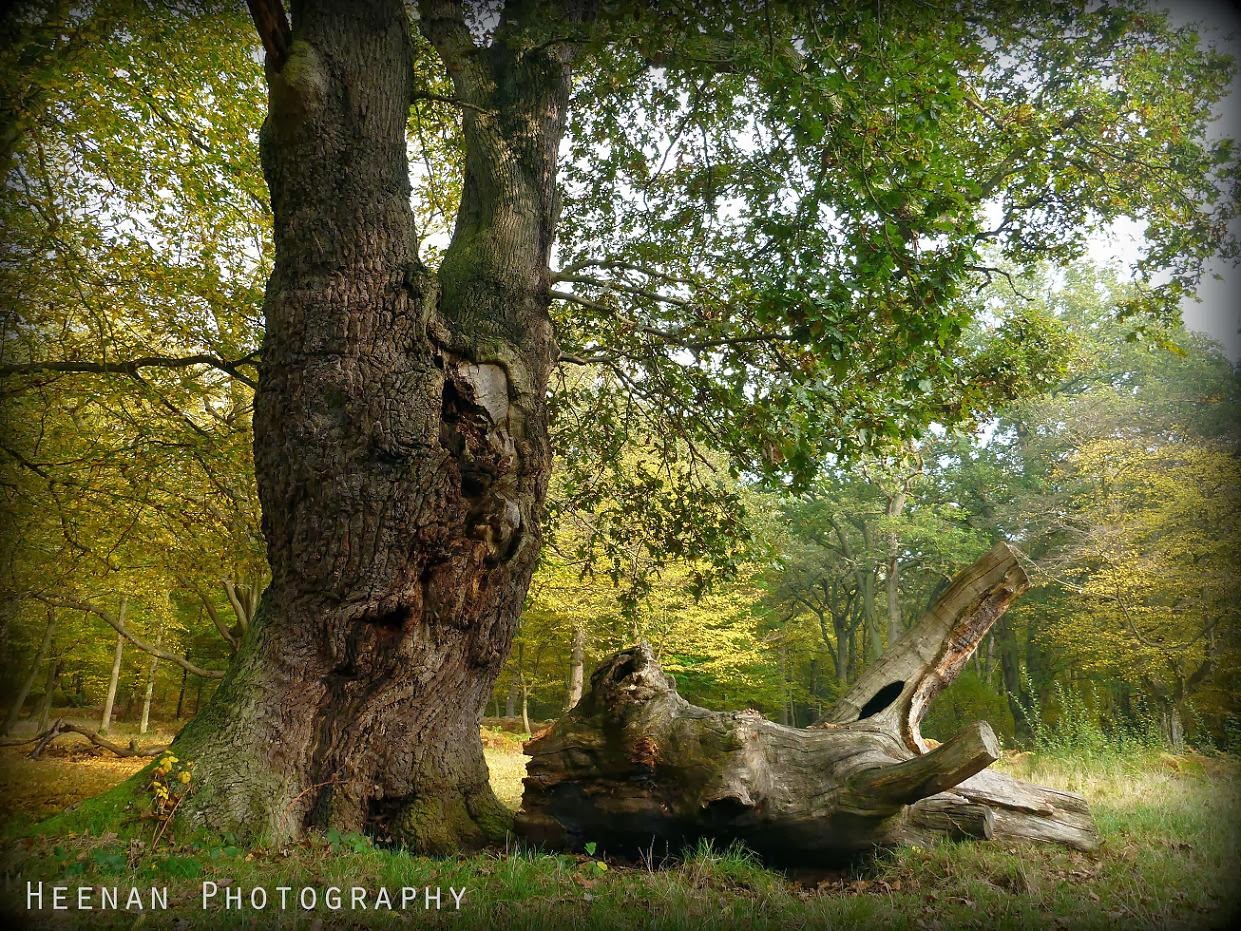
Taken in Epping Forest, "Fallen Limb" shows a veteran Oak pollard with a large fallen bough. The forest is starting to show autumnal colours here, with hornbeam showing yellow tones in the background of this picture.

Pollarding is a traditional woodland management technique which involves cutting back the tree to head height, to stimulate growth and produce useful lengths of wood. This often results in unusual shapes as the tree grows, particularly if the cutting regime isn't continued. Eventually, an unmanaged pollard can become unable to support the weight of its limbs, dropping branches or even being split in twain.

Read more about Epping Forest and Pollarding on the City of London website.

Saturday, 3 May 2014

"Cotswold Beech Burst"

Beech limbs seem to burst over a traditional Cotswold dry stone wall in this image by Heenan Photography.
"Cotswold Beech Burst", Maugersbury, Gloucestershire.
There is something about this image that I have just fallen in love with. Is it the extraordinary beech tree, whose limbs seem to burst over the traditional Cotswold dry stone wall? Is it the wall itself, that very woldsy structure formed of warm-toned Jurassic limestone and stone-age craft beginning to be colonised by ivy? It can't be the garish modern road-sign in the foreground. But perhaps it could be the juxtaposition of the three elements within one picture which I find appealing. On the edge of the delightful little rural backwater Maugersbury, itself a stones throw from Stow-on-the-Wold, this quiet country lane bears the intrusion of the modern world. In this image at least, the modern world has yet to take over completely: the enormous tree and the stone wall beneath it manage to dominate the photograph.

Saturday, 15 March 2014

River Stour Boating

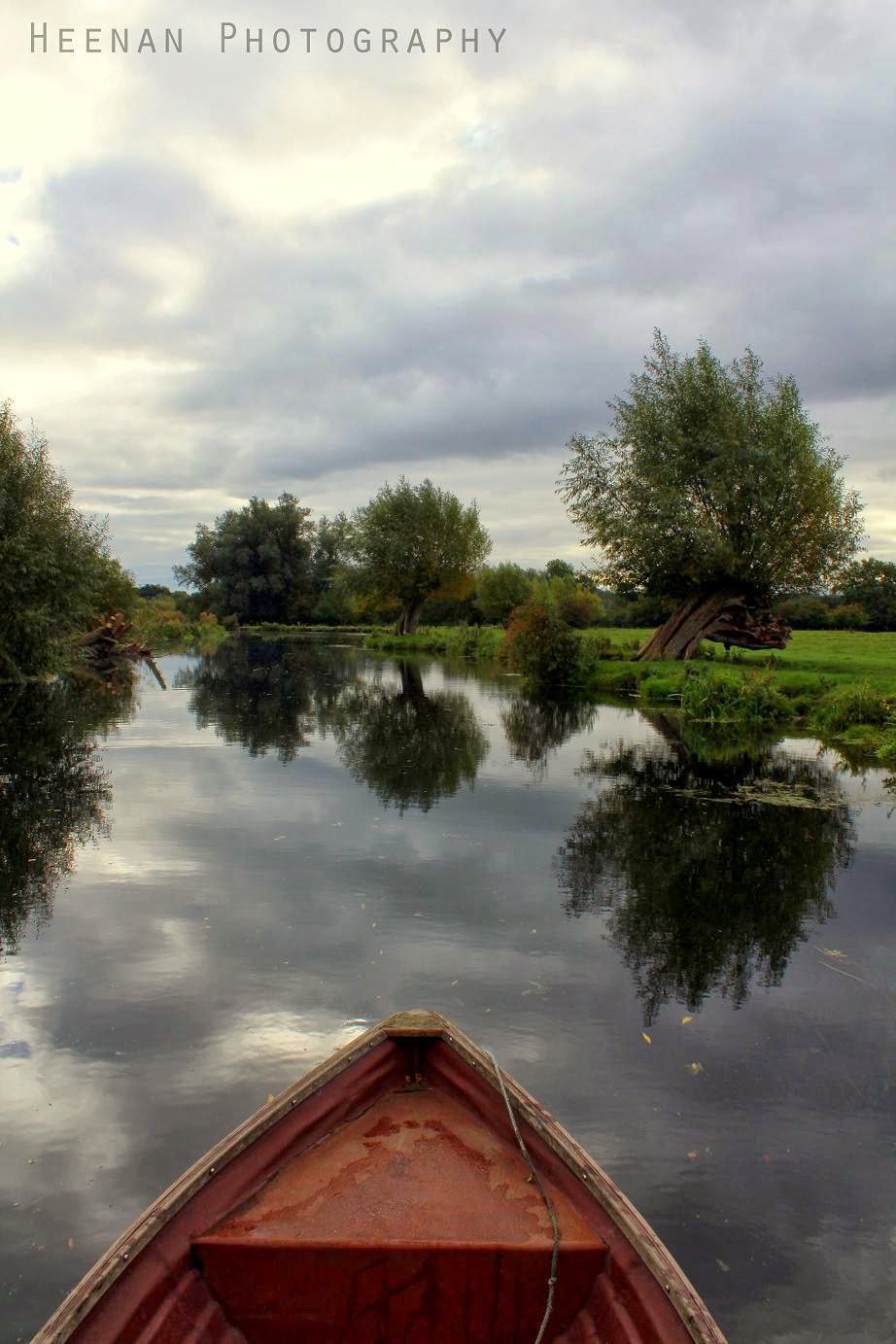
"On the Stour", with views of the River Stour from a boat. Photo by Heenan Photography.

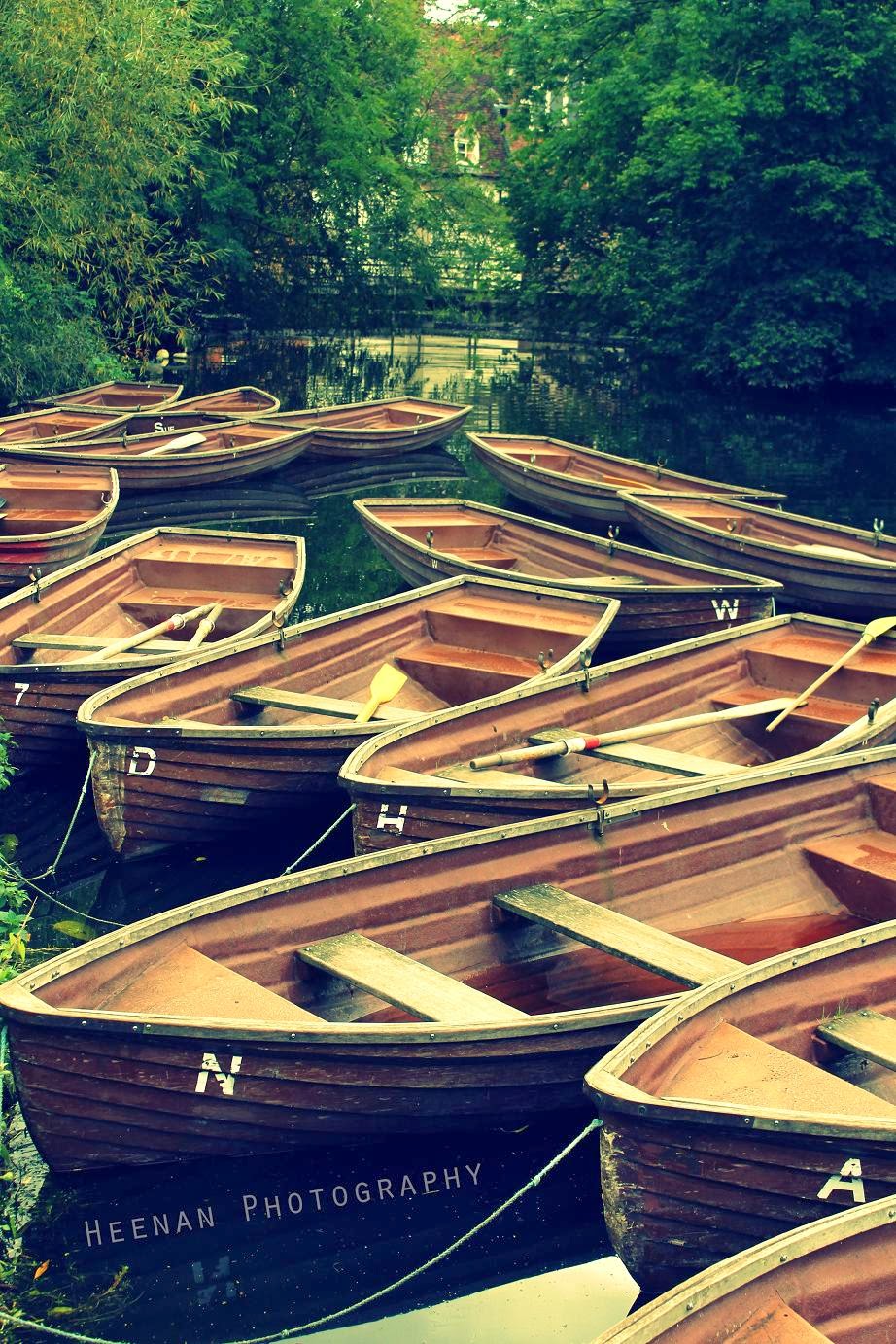
These two images feature the River Stour, in that beautiful part of the country where Essex and Suffolk meet. Dedham Vale (an AONB - Area of Outstanding Natural Beauty) has gorgeous, famous and typically English landscapes, with rolling farmland and quaint old buildings. The two photos I am posting today show the aquatic charms of the River however. There is a long history of navigation on the River Stour, and boats have been used to transport all sorts of goods from bricks heading to London through to sewage heading out to the fields of Suffolk! They can also transport itinerant photographers. The picture above, "On the Stour", shows a boats-eye view of the riverine landscape, including twisted, pollarded Willow trees. The picture below, "The Boating Alphabet", depicts a landscape of boats awaiting use outside the old Granary building (with Flatford Mill glimpsed through the trees in the background).

"The Boating Alphabet", with an array of boats for hire. Photo by Heenan Photography.

Saturday, 22 February 2014

Rainbow Over Roding


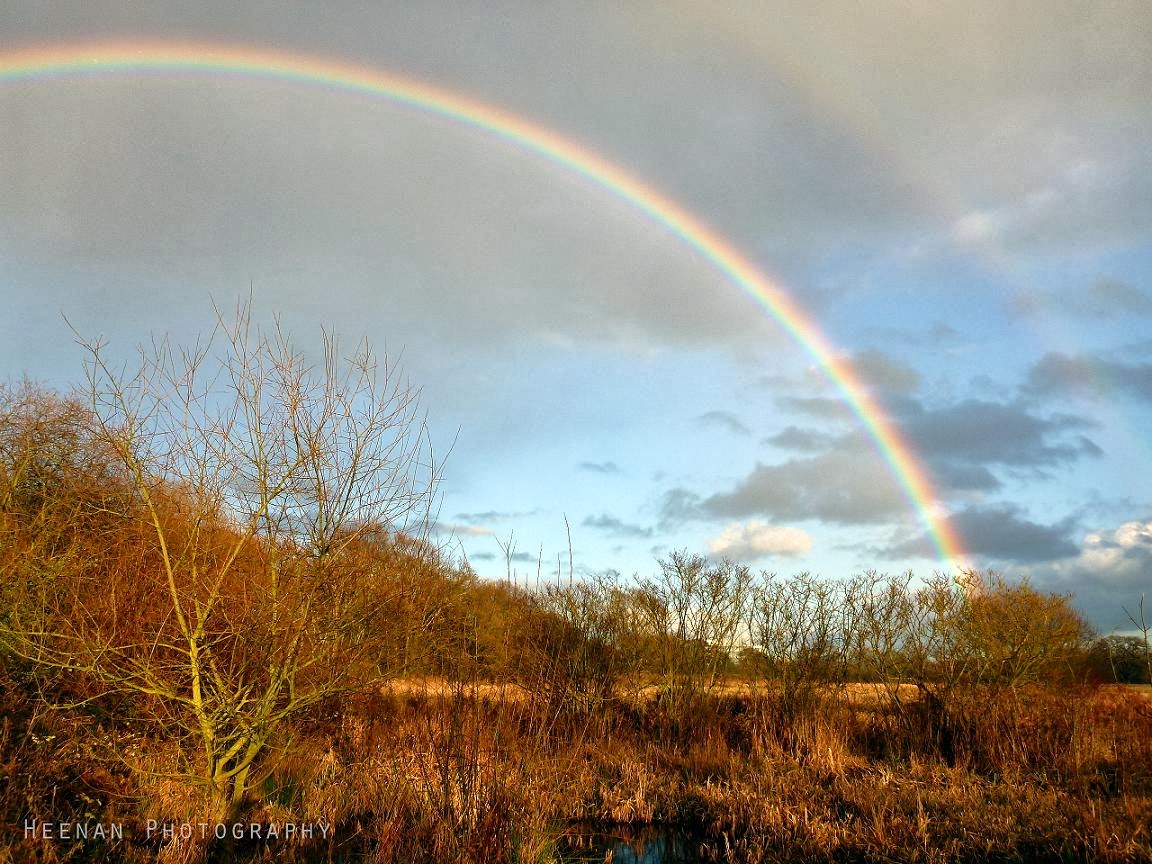
Even the rainy days have their rainbows. This photo was taken in the Roding Valley, and shows a double rainbow over the wet meadows and fen of the Nature Reserve that runs along the River Roding near Loughton and Chigwell, Essex, England. The reserve follows the river for roughly a mile and a half, and in addition to providing a place for the Roding to flood (thus alleviating some of the flooding pressure downstream) the reserve also contains a number of important plant and animal species. The nature reserve contains the the largest remaining area of water meadows in Essex, according to Essex Wildlife Trust. I like the warmth of the late light here bathing the bare trees and shrubs, and picking out the sere grasses in the background.

Tuesday, 4 February 2014

Tor View

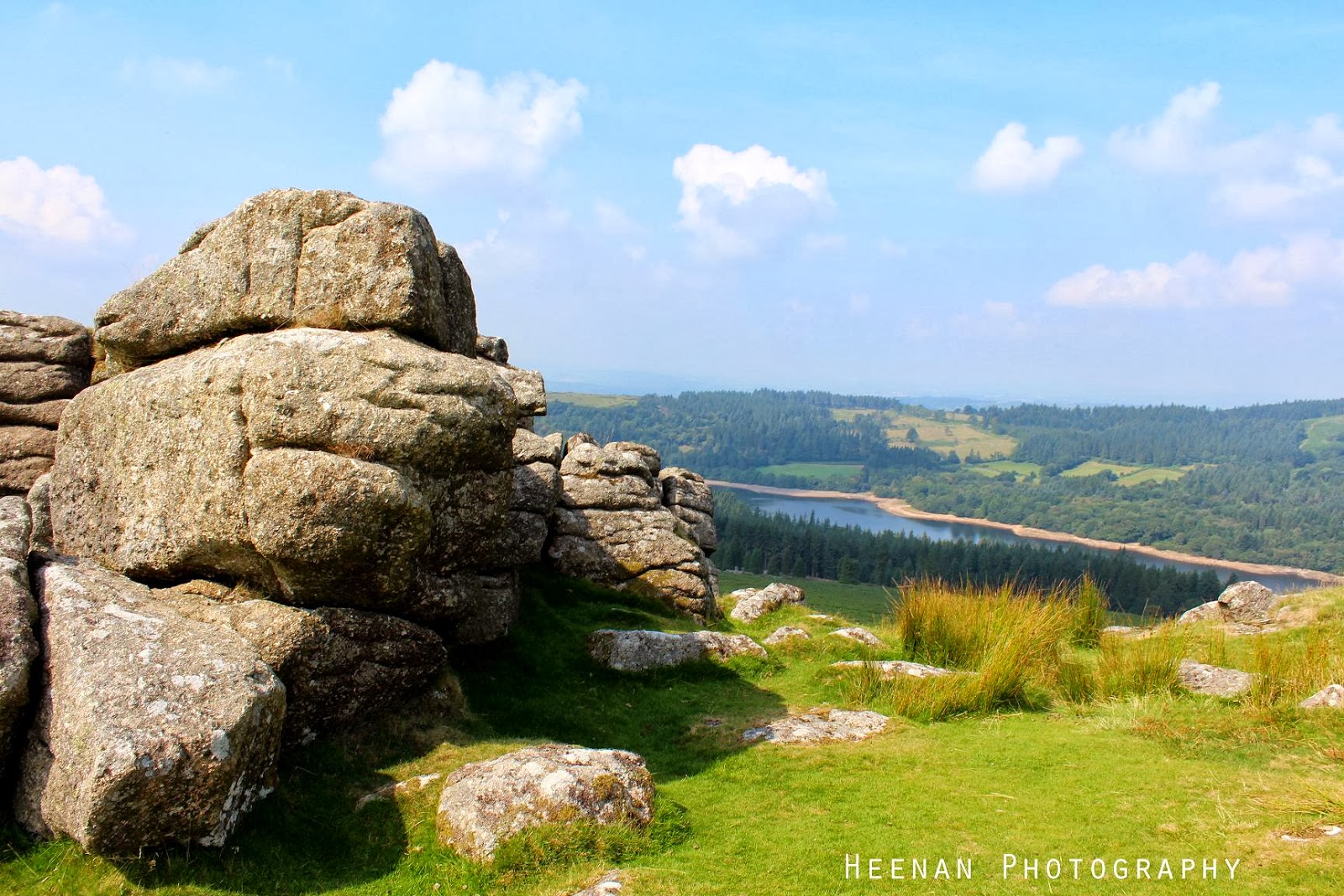
The Dartmoor landscape as seen from the ancient rocks of Sheeps Tor
tor  (tôr)
n.
1. A high rock or pile of rocks on the top of a hill.
2. A rocky peak or hill.
This photo shows the view over Burrator Reservoir from Sheeps Tor, Dartmoor, Devon. The ancient granite rocks of this Tor were formed hundreds of millions of years ago as magma slowly cooled beneath the Earth's surface. These rocks have since become uncovered by erosion, but being more resistant to erosion themselves, they are left standing like silent sentinels upon this hilltop and many others in the Dartmoor National Park. Dartmoor has the largest area of granite in Britain and is full of these tors, or "rocky peaks". 

Thursday, 9 January 2014

To Beeches in Winter

Happy New Year to all of our readers and customers! 

It may be hard to believe we are into January 2014 now with the weather conditions remaining unusually warm (although very wet and windy) here in the UK. However, this wet and warm spell may end very soon as forecasters warn that the bitter Arctic snap which has been affecting the US will be making its way to British shores as we move into next week. So, we may finally see some snow this winter!


"To Beeches in Winter" by Heenan Photography
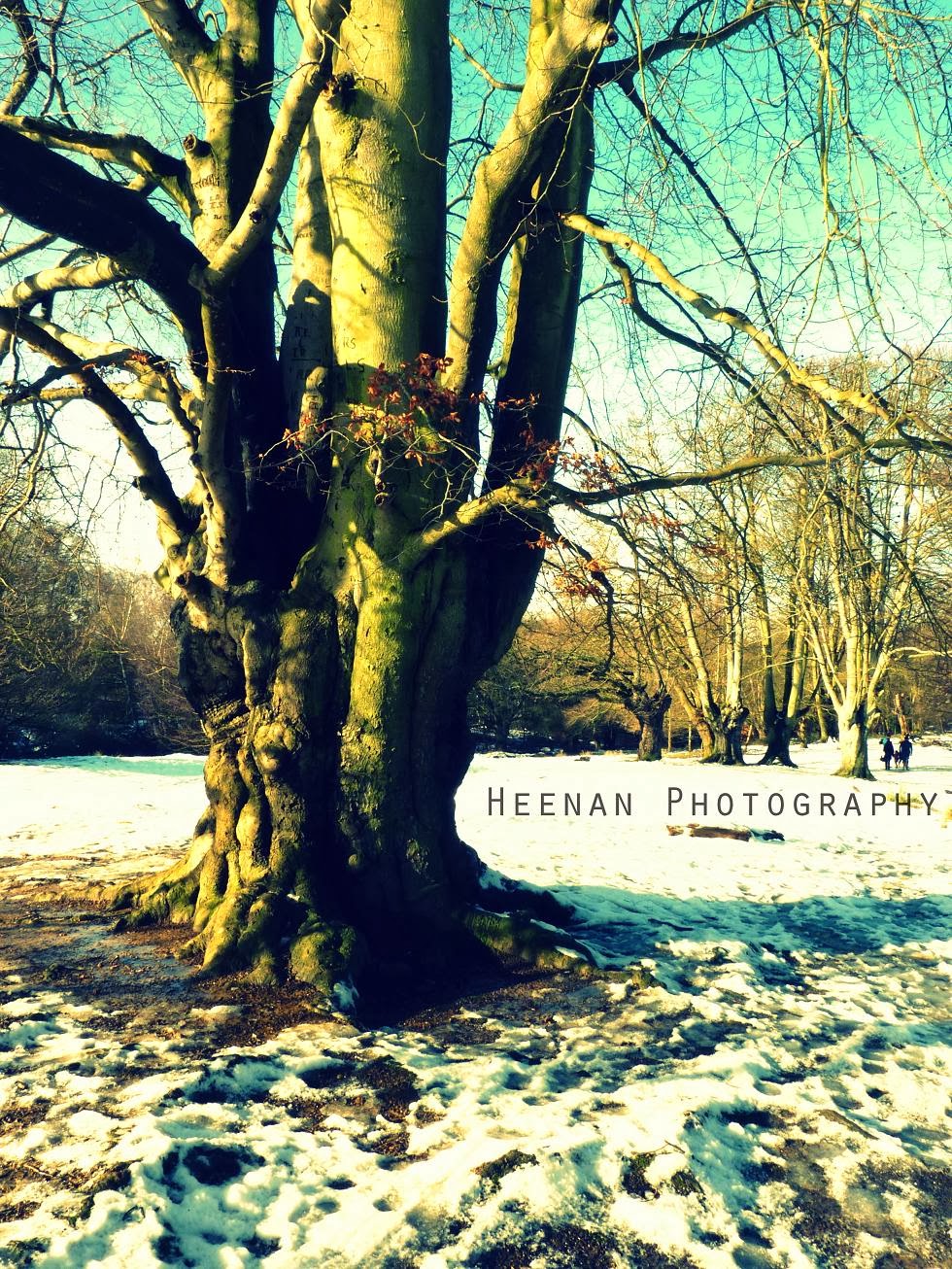
Snow and sunny skies last winter at High Beach in Epping Forest, Essex

Here is a wintry photo to get you all in the mood for the Arctic snap. "To Beeches In Winter" comes from my stock of images taken last winter, and although it didn't feature in the Epping Forest in Winter post or the Spring Clean Winter Photos collection it is still very high up on my list of favourite photos. The sky is a pure shade of blue, the snow shows the passage of many snow-crunching feet, and the grand, pollarded Beech tree in the foreground is balanced by a motley row of pollard trees in the background. The miniature family in the distance add a sense of scale, and a human perspective to the beautiful Epping Forest landscape.

Sunday, 13 October 2013

Serotinal Shots 2013


Here are two shots of late Summer that I have picked out to share. Autumn colours are coming to some of the trees already, such as the willows, sycamores and field maples. The Summer is still lingering in a few places however, and with some serotinal sunshine at the beginning of October I caught these pictures in the stunning Constable Country around Flatford Mill and Dedham Vale. This area sits at the edge of Essex and Suffolk, and has been popularised through the artwork of John Constable.

The flowers in the picture above, an unexpected splash of bright colour found lingering in the Cattawade Marsh area (between Flatford and Manningtree), are a yellow which recollects the easy sunshine of the high Summer months now past. These were more beautiful for their evanescence, as the cold weather would soon close in and cause their disappearance from the countryside.

The image "Oak and Granary" below sums up to me the pastoral beauty of the Flatford area, bathing in the afternoon light. The oak tree, a veteran full of character and cavities, looks yet Sumer-strong in its green foliage, and frames the fields and the 18th Century wool-store-turned-granary (now a bed and breakfast) behind it.
 "Oak and Granary" by Heenan Photography, features a veteran Oak tree which frames fields and old buildings in the Constable Country of Flatford.
  To see more Heenan Photography pictures, please visit the picture gallery. You can also browse the Heenan Photography Shop to see prints and merchandise for sale.

ShareThis

Related Posts Plugin for WordPress, Blogger...