Tuesday, 18 June 2013
Hedgerow Damsel
This Large Red Damselfly (the species name, not just a description!) rests on a thick stem of hawthorn, in a traditional hedgerow at the Roding Valley Meadows nature reserve in Essex. This nature reserve, although only a mile and a half long, contains almost ten miles of thick hedgerow. The value to wildlife of so much habitat is incredible. Hedges make good Edges, I like to say. The Large Red Damselfly is one of the first species of Damselfly or Dragonfly to appear in the Spring. Damselflies can be distinguished from Dragonflies in a number of ways, primarily by the way they hold their wings at rest (Damselflies hold them in line with their body) and by the way their eyes are set (Damselfly eyes are separated, on either side of their head).
The vibrant, rich red of the damselfly's body is reflected by russet tints in the bark of the hawthorn. Set against the backdrop of vibrant green foliage and creamy white May blossom, this makes for an attractive palette. This macro shot highlights the beauty of some of our invertebrate species; it is certainly worth the time to explore hedges and long grass to find some of the mini-beasts that are making use of these habitats.
"Damsel" arrived in our language via Old French, and meant "a young lady". It still hangs on in the English language in archaic expressions, such as "a damsel in distress". The damselfly in this photo looks far from distressed however!
Friday, 31 May 2013
Spring Blues in Epping Forest
![]() |
| Native Bluebells (Hyacinthoides non-scripta) in Epping Forest |
![]() |
| Ancient woodlands such as Epping Forest are a common haunt for bluebells, which do well in shady places |
There is an imposter in the countryside however, a blue alien. The imported Spanish bluebells have been very successful, hybridising with the native flowers and spreading to many of our gardens and other green spaces. It's even invading the woodland strongholds of the native bluebells, and I found some suspicious bluebells on my walk! How do we tell the two types of bluebell apart? The Guardian offer a few tips, and there is a very useful page on the Natural History Museum website which explains how to identify your bluebells, but some of the basic differences to look for are: Spanish bluebells have paler flowers, no scent, and an upright stalk; native bluebells are scented, they arch or droop over, and their leaves are rolled up.
| ||||||||
| Spanish bluebells are paler and more upright, and these specimens on the edge of Epping Forest seem to fit the bill |
![]() |
| Native bluebells have a stem that arches over at the end |
The bluebells may have arrived late this year, but they are here now - so why not go explore your local countryside to see them! Talk about your own sightings and favourite bluebell spots, or discuss other signs of Spring! Post on our Facebook page or tweet to #SpringIsTheThing!
Location:
Epping Forest, Greater London, UK
Wednesday, 22 May 2013
Update to the Gallery pages
The Gallery page of the website has been organised into separate pages, of varying themes. So far, there are pages for Winter, Tree, Macro and Monochrome photos.
Please take a look at the new layout, and also spot the photos that have been added to the gallery!
Saturday, 18 May 2013
Ferns & Forest Encounter
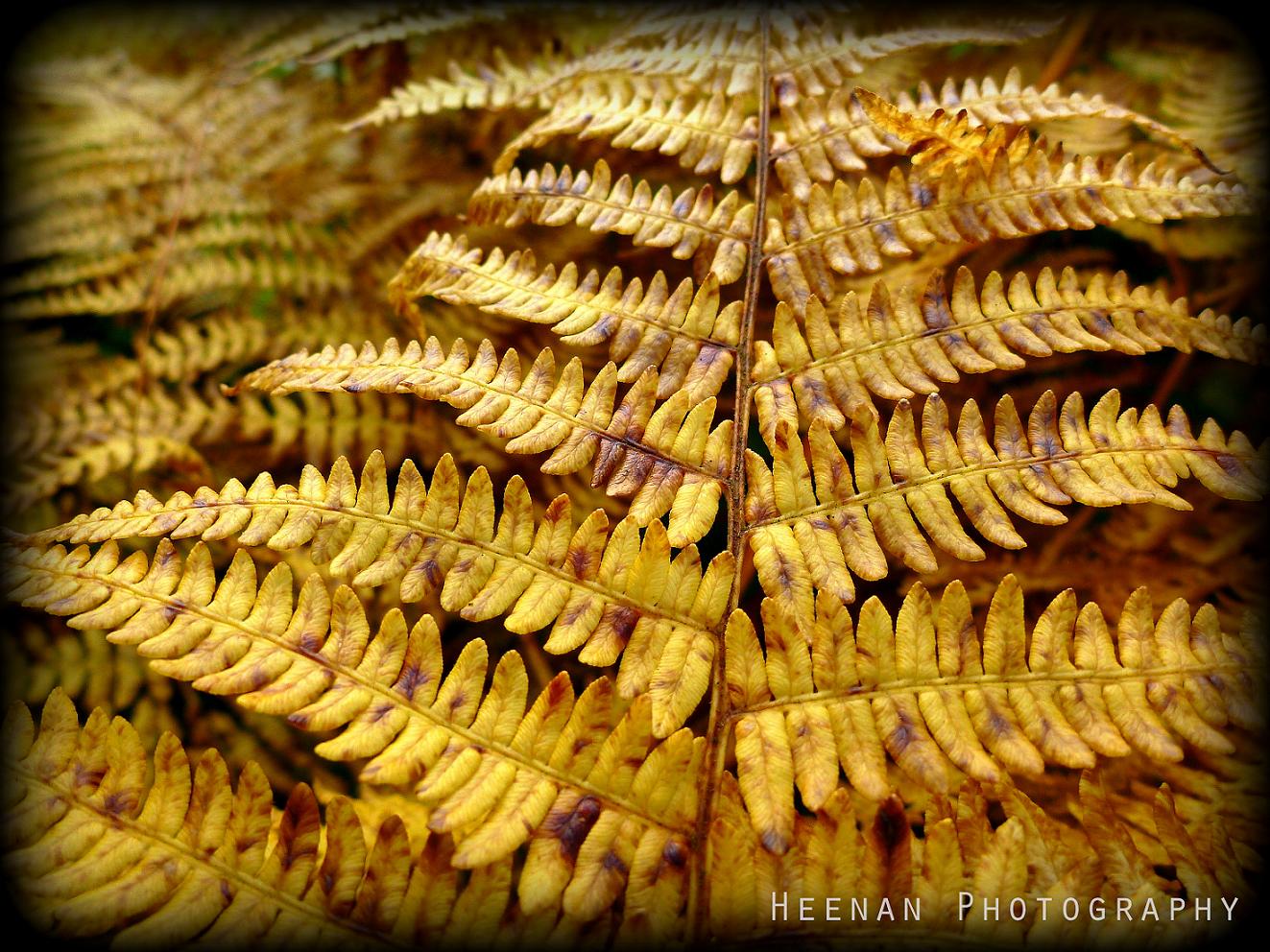
This branch of bracken shows some lovely autumnal colours. I remember taking this quite vividly; a damp morning last October, very quiet, in Epping Forest. As I was focussing on the ferns below me and getting some photos of their colours, a sound caught my attention. A fallow deer had trotted along the path, then skidded to a stop as it must have caught my scent - yet surprised and unsure of exactly where I was standing because I was wearing greens and browns as is often my wont! I was just as surprised, and with my camera focussed on the ferns below me, unprepared to take a shot of the deer before it dashed off again. So, I was left with just a shot of the bracken to remind me of the encounter!
Labels:
autumn,
epping forest,
fern,
orange,
photo
Location:
Epping Forest, Essex, UK
Friday, 10 May 2013
Exhibition Officially Launched
![]() |
| Exhibition Launch: Tom Heenan and Cllr Gavin Chambers |
The exhibition in Buckhurst Hill was officially launched last night with an evening event at Buckhurst Hill Parish Council's Information Centre, which went very well indeed. In addition to the photos of Epping Forest featured in the exhibition, there were some additional photos and a slideshow for the event, and flyers with more information about Heenan Photography.
Council chairman Gavin Chambers welcomed the guests and introduced the art project, and then I spoke a little about my photography. It was excellent to see so many people at the event in support of the exhibition, with perhaps 35 to 40 guests in attendance. Many thanks to everyone that came along, and also thanks goes to Everything Epping Forest who covered the event - their article about the launch event is featured at www,everythingeppingforest.co.uk/news.htm. For the evening event, and for the exhibition itself, the final thanks of course go to Buckhurst Hill Parish Council for making it all happen.
The photos will be on display at the Information Centre in Queens Road until June. This won't be the end of the story though; the Council are hoping to build upon the project and give other local artists the chance to exhibit their work. This will make a real difference for artists, encourage more art in the area, and make good use of existing wall space. This could be the start of something beautiful.
![]() |
| Guests at the Exhibition Launch Night |
![]() |
| A slideshow of photos plays in the background |
Labels:
blog,
Essex,
exhibition
Subscribe to:
Posts (Atom)